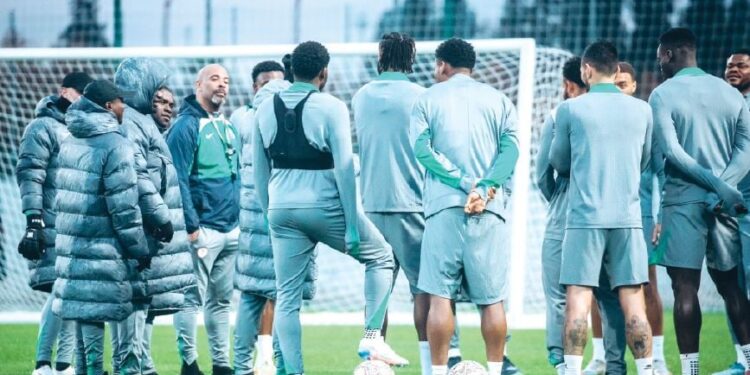






Victor Obinna Nsofor has delivered a blunt assessment of Nigeria’s football infrastructure, arguing that the country’s failure to maintain its stadiums has shut it out of consideration for major continental tournaments, Footynaija.com reports.
Nsofor, 39, represented the Super Eagles across a career that took him to some of Europe’s top leagues, including spells at Inter Milan and Malaga. He earned 36 caps for Nigeria and played at the 2010 World Cup in South Africa, and that gives weight to his frustration over what the country has failed to build in the years since.
Nigeria last hosted a major tournament in 2000, when the country staged the Africa Cup of Nations. More than two decades later, the infrastructure picture has barely improved.
Related Post




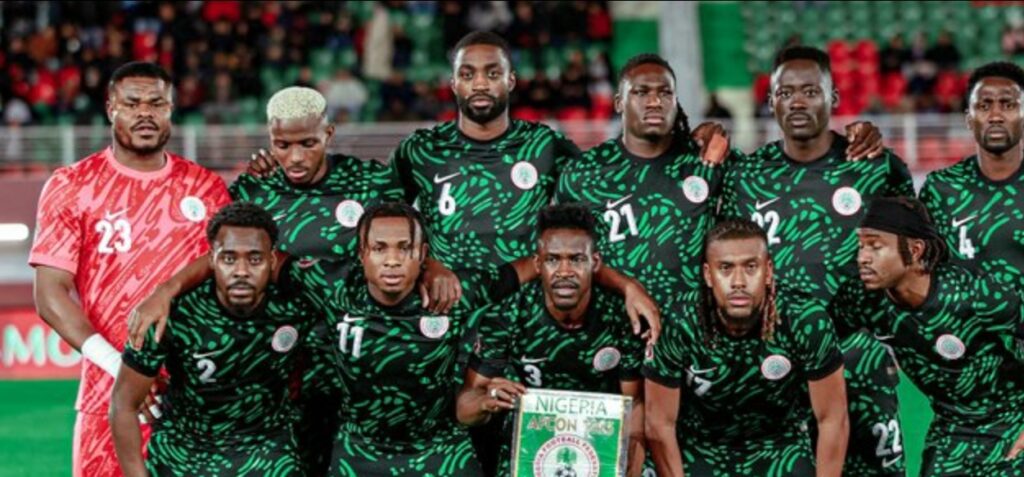
The Abuja National Stadium, once the flagship of Nigerian football, has become the clearest symbol of that stagnation, absorbing government spending while still falling short of the standards required to stage top-level international football.

‘No long-term plan, no maintenance culture’
Speaking in quotes revealed by Brila, Nsofor did not spare anyone’s feelings.

“The fact is that it’s been a very long time since Nigeria, as a country, had the opportunity to host any major tournament. The last one we hosted was in 2000,” he said.
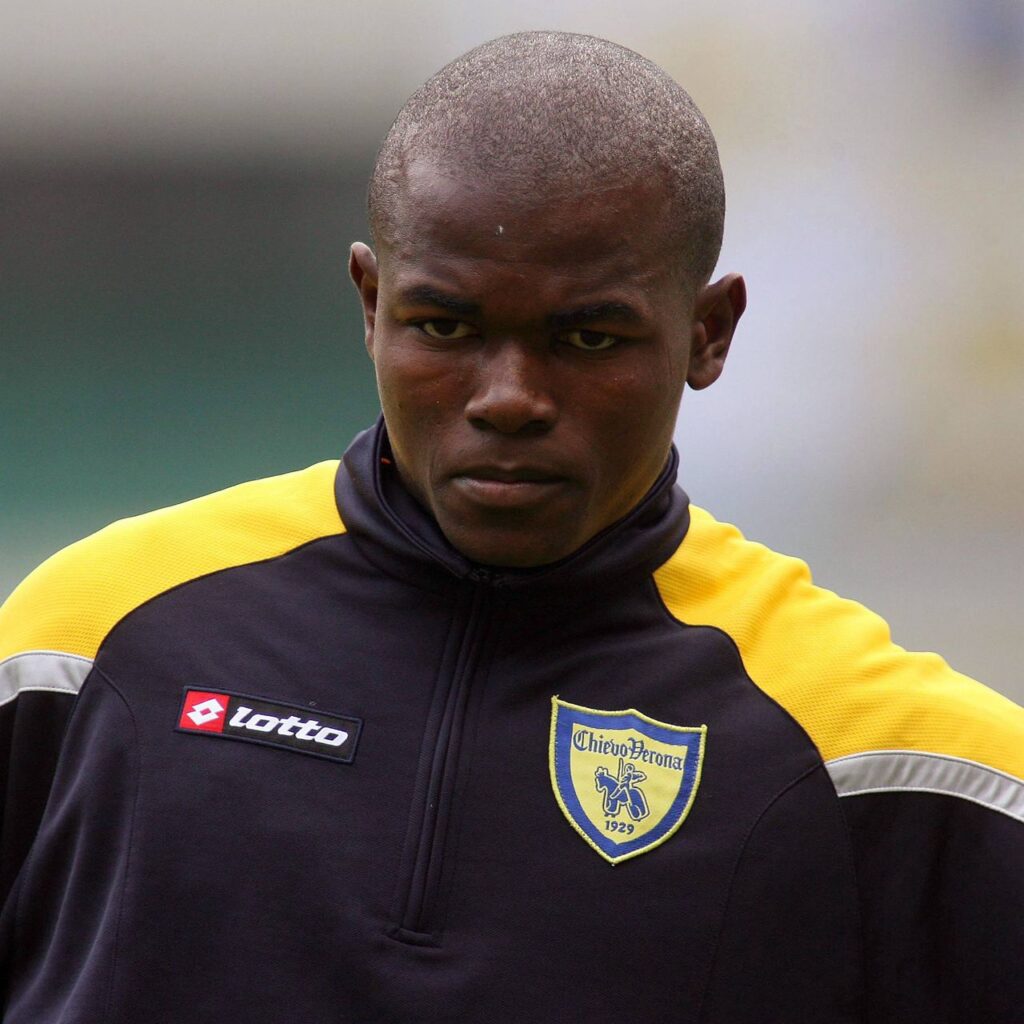
“We all know the situation we have in Nigeria in terms of infrastructure. The standard of the stadiums are not at the level required to host a major CAF tournament, and that’s the truth.”
He pointed to the Super Eagles’ own experience as the most telling example.
“Even the national team of Nigeria finds it difficult to play matches in the country. In terms of going to other states for Super Eagles games, we have only one stadium in Nigeria that is up to the standard required to host qualifying matches.”
On the deeper problem, he was equally direct.
“In Nigeria, there is no long-term plan because we only plan for the present. We don’t have a maintenance culture. A stadium like the Abuja National Stadium, with the amount of money that has been spent on it, cannot even host a national team game. It’s really sad.”
Nsofor did not close the door entirely on Nigeria’s hosting ambitions, however.
“If we put the infrastructure in place, there is no way CAF won’t inspect it and see that it meets the required standards. There is no way they won’t accept our bid and allow us to host the AFCON,” he said, framing the path forward as a question of political will.
Nigeria have been linked with a potential future AFCON bid, but without serious investment in stadium infrastructure, that conversation remains largely theoretical.