




Nigeria’s 3-2 victory over Tunisia at AFCON 2025 was both a statement and a warning.
For 75 minutes, the Super Eagles produced arguably their most complete tactical display in years, overpowering a Tunisia side that had cruised through World Cup qualifying without conceding a single goal. Yet the nervy finish reminded everyone that dominance means little if it is not properly managed.
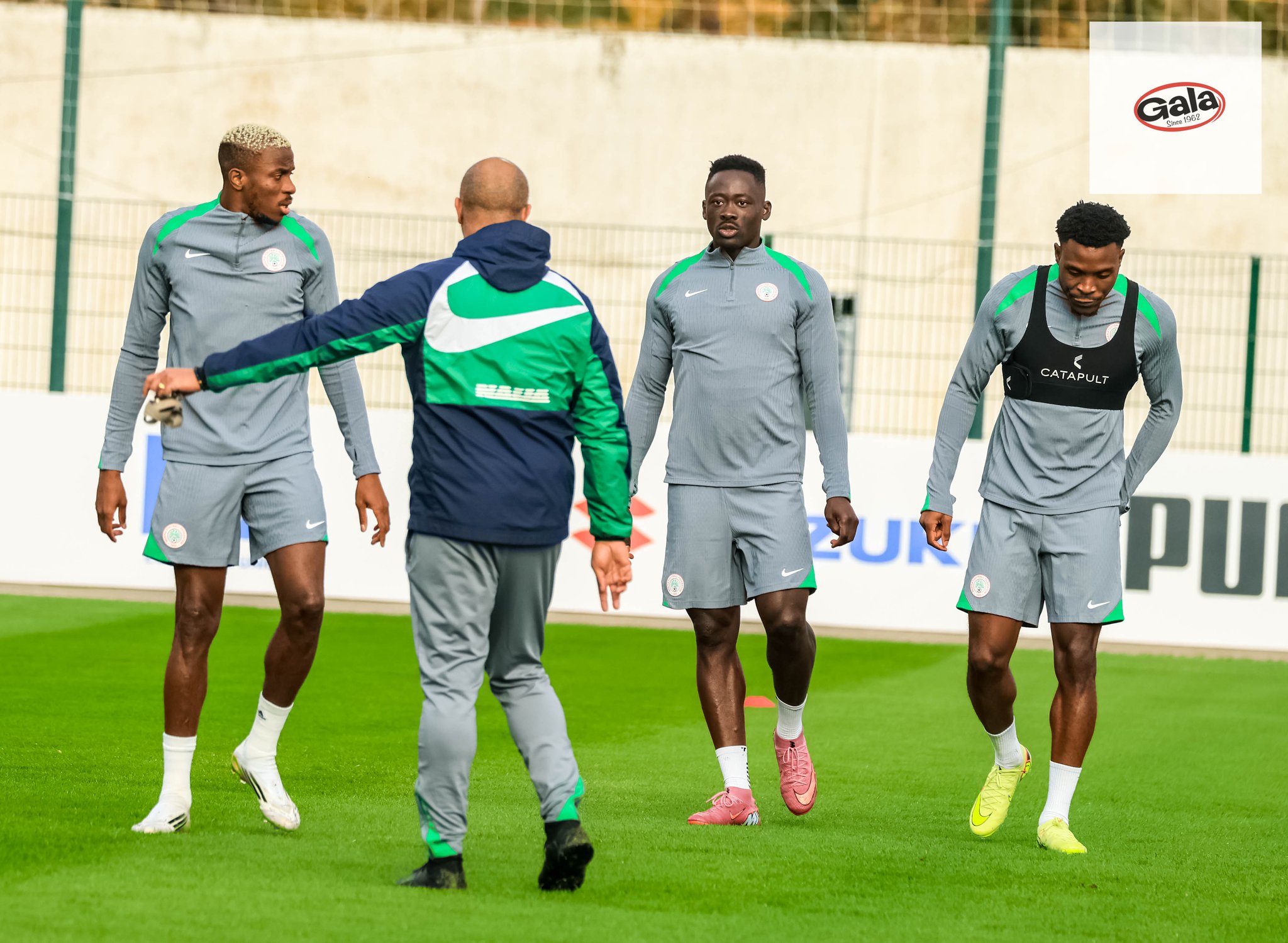
Eric Sekou Chelle deserves credit for his pre-match adjustments. Aware of Tunisia’s midfield numbers and counter-attacking threat, the Nigeria coach abandoned his preferred diamond and opted for a double pivot, pairing Wilfred Ndidi with Frank Onyeka.
Related Post





The result was control. Nigeria won second balls, pressed aggressively, and prevented Tunisia from settling into any rhythm. Bruno Onyemaechi’s inclusion at left-back also brought balance, allowing Nigeria to push higher without exposing the flank.
With that platform, Nigeria’s attacking play flourished. Ademola Lookman operated with freedom across the front line, drifting between lines, switching flanks, and delivering decisive quality in the final third. His cross for Victor Osimhen’s opener and corner for Ndidi’s goal were textbook examples of end-product meeting intelligence.
Osimhen, meanwhile, offered more than goals: his movement pinned Tunisia’s back line, created space for others, and signalled a more selfless edge to his game.
Defensively, Nigeria’s high press and physicality overwhelmed Tunisia for long stretches. Calvin Bassey was outstanding in recovery and duels, while Onyeka’s energy ensured Tunisia’s midfield runners were repeatedly stifled. For long spells, Tunisia were reduced to hopeful balls and set-pieces.
Yet the familiar cracks reappeared. At 3-0, Nigeria eased off, mentally and physically. Distances between the lines grew, duels were avoided, and Tunisia were allowed territory they had not earned.
A poorly defended set-piece and a clumsy handball turned a procession into panic. Chelle’s substitutions also raised questions, particularly the introduction of a winger who offered little defensive cover at a critical moment.
The takeaway is clear. Nigeria have the tools; tactical flexibility, elite attackers, midfield control, to dominate anyone at this tournament. But until they learn how to kill games and manage momentum, comfort will always turn to tension. At the business end of AFCON, that margin may be decisive.