



Eric Chelle believes African football needs the Africa Cup of Nations every two years to keep developing, with the Super Eagles coach backing a return to the traditional schedule as the Confederation of African Football (CAF) reconsiders its plan to stage the tournament once every four years, Footynaija.com reports.
The debate comes after CAF announced plans to move AFCON to a four-year cycle following the 2028 edition. The decision was a major change for a competition that has traditionally given African national teams a chance to compete for continental honours every two years.
CAF president Patrice Motsepe has now confirmed that the governing body is reviewing the arrangement, including the possibility of returning to the biennial format. No final decision to restore the old schedule has been announced.
Related Post





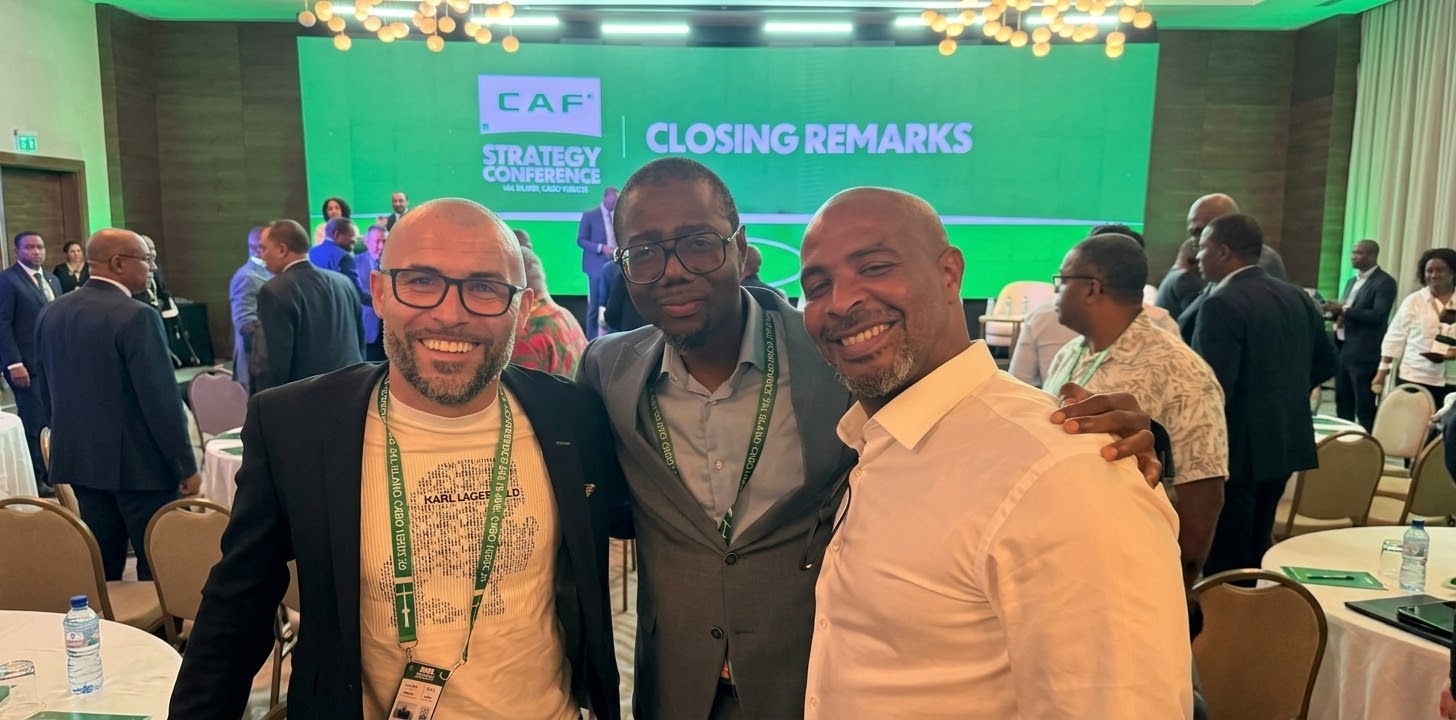
The is also about Africa’s efforts to compete more consistently at the World Cup. Ten African teams featured at the 2026 tournament, and nine reached the knockout stage. CAF’s strategy conference in Cape Verde brought coaches and football officials together to examine that performance and discuss how the continent can improve before the 2030 World Cup.

Chelle explains why AFCON every two years matters
Chelle, who coached Mali at the 2023 AFCON before leading Nigeria at the 2025 edition, welcomed the review in an exclusive interview with SABC Sport during the CAF Strategy Conference in Santa Maria, Cape Verde.

“For me, it’s perfect because when you want to improve, if you have one tournament every four years, it’s difficult. So, now having a tournament every two years is perfect, so we can continue to improve,” Chelle said.
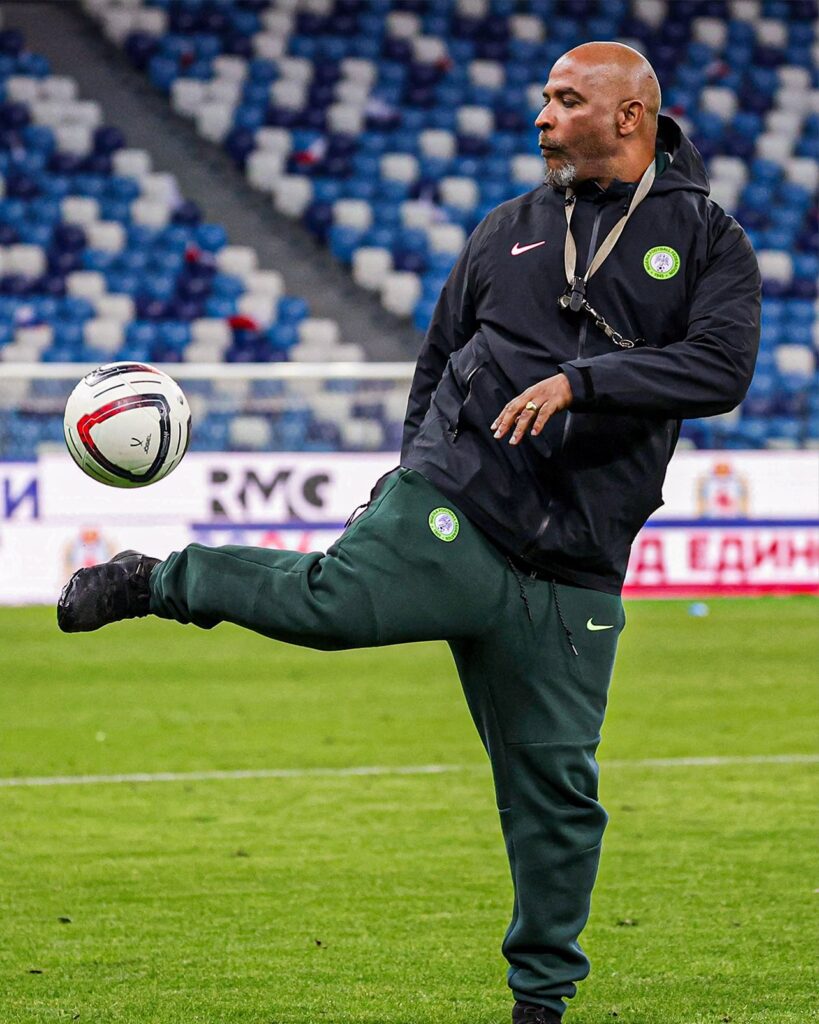
The Super Eagles coach believes regular participation in major competitions gives African teams more opportunities to grow through demanding international matches.
“We can grow together, we will play two big tournaments instead of the other nations, they will play one tournament,” he added.
Chelle also pointed to the economic benefits for host countries, arguing that AFCON brings value beyond the football itself. He said more frequent tournaments would help African teams prepare for the World Cup by giving them further opportunities to test themselves against strong opposition.
The coach also used the conference discussions to stress the need for African teams to develop a distinct football identity and improve work across coaching, medical, fitness and other departments.
For Chelle, restoring AFCON to a two-year cycle would be one way to keep that development moving, although CAF must still decide whether to reverse its earlier plan.