
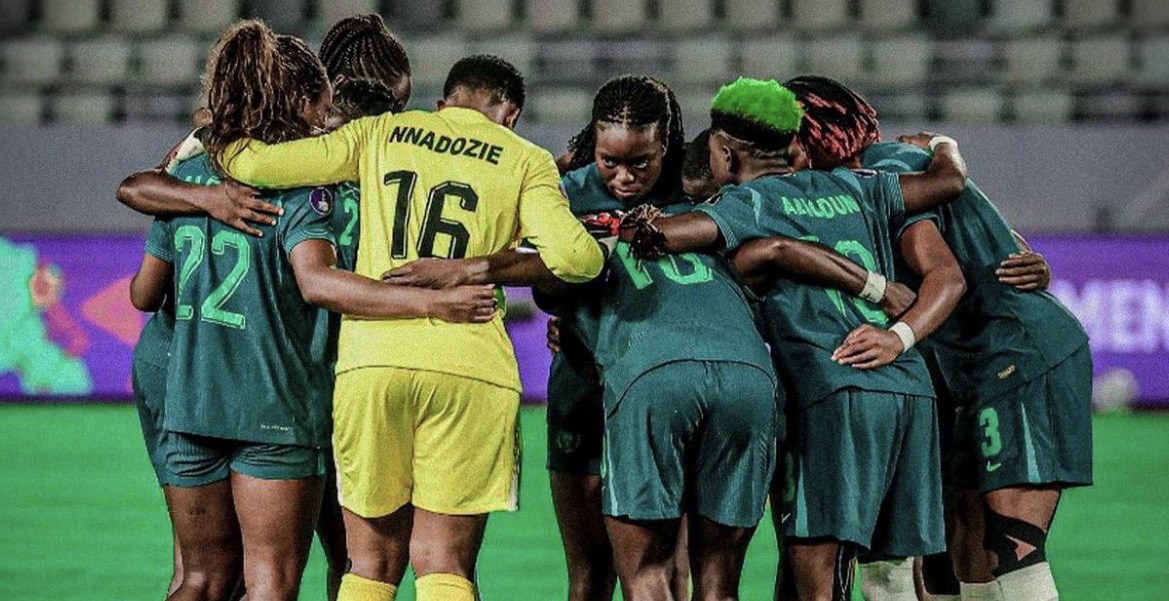


Nigeria’s failure to qualify for the 2027 FIFA Women’s World Cup has raised questions that go beyond the Super Falcons’ disappointing 2026 WAFCON campaign, with the Nigeria Football Federation’s fact-finding committee pointing to wider problems in how the country prepares, manages and develops its national teams, Footynaija.com reports.
The Falcons entered Morocco as defending African champions and 10-time WAFCON winners, but their title defence ended in the quarter-finals before South Africa beat them 2-1 in the subsequent World Cup play-off. The defeat also ended Nigeria’s record of appearing at every Women’s World Cup since the competition began in 1991.
The result led the NFF, under president Ibrahim Gusau, to set up a fact-finding committee headed by former secretary-general Fanny Amun. Its work went beyond the Falcons’ campaign, examining wider issues that have affected Nigeria’s national teams.
Related Post




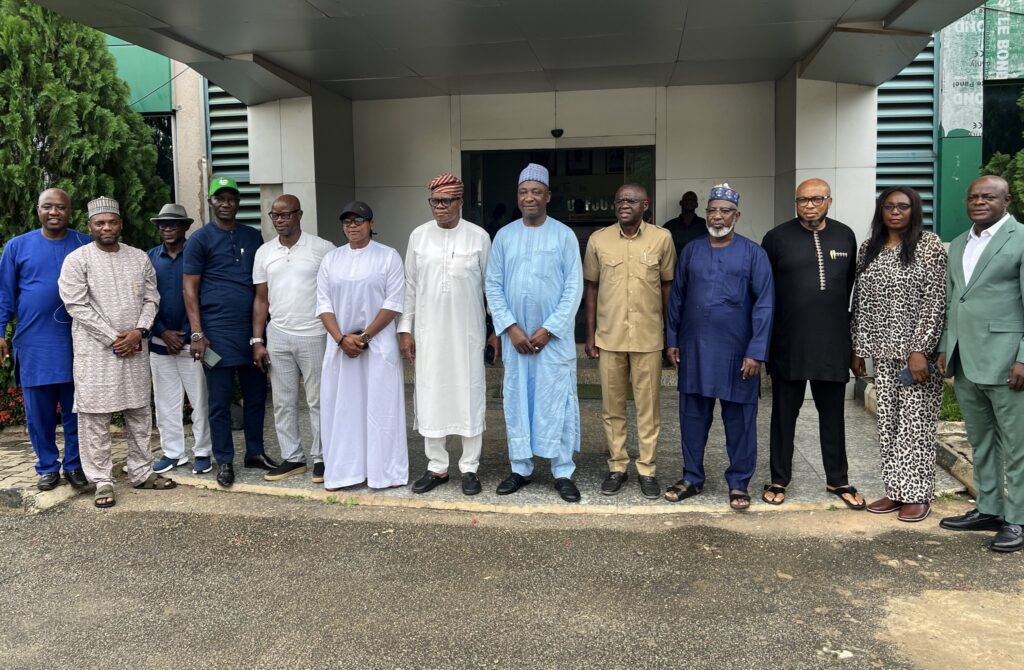
The committee’s report, dated August 21, looked at governance, finance, technical development, player management, league structures and the preparation of national teams.
Social media, poor preparation among issues raised
The committee also examined the growing influence of social media and outside pressure on national teams. It called for the negative effects of social media to be discouraged and monitored, particularly where they could affect team cohesion and operations.
Preparation and technical support also came under scrutiny, with the report calling for national teams to begin preparations early and follow a better coordinated programme. It linked this with stronger player identification, technical planning and support for coaches.
Camp management was another area raised by the committee. It questioned the practice of officials entering national-team camps at will and called for clearer structures around player loyalty, performance and the responsibilities of technical-team members.
Interestingly, the committee did not establish the allegation that individual players controlled selection. Its findings stated that the Falcons players were cooperating and that there was no evidence that players influenced selection decisions.
The recommendations point towards a football system that needs better organisation long before a national team reaches a major tournament.
Among other things, the committee called for:
- Earlier national-team preparation and better coordination between the technical and administrative sides.
- Clearer camp rules to prevent unnecessary interference with teams.
- Better player data and age verification through improved technology.
- Stronger regulation and oversight of players, coaches and training structures.
- Better development of the domestic leagues, including stronger structures for the NPFL, NNL, NLO and NWFL.
- Improved coaching education and certification.
- Better management of player injuries and fitness, with selection based on current physical condition and performance.
- Properly structured compensation and allocations for those involved with national teams, and
- Closer monitoring of social media and external influences that can affect team cohesion.