


Related Post
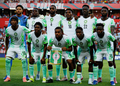



Nigeria’s Samson Adamu has been named Acting General Secretary of the Confederation of African Football (CAF), Footynaija reports.
This is the first a Nigerian will be elevated into the position of CAF General Secretary, a role that has been occupied by five Egyptians and three Moroccans before DR Congo’s Véron Mosengo-Omba took charge in 2021.
The announcement follows the resignation of Véron Mosengo-Omba and places Adamu in charge of CAF’s day-to-day administration at a time of transition.
Reacting to the news, the Nigeria Football Federation wrote: “Congratulations to our own Samson Adamu who has been appointed Acting General Secretary of CAF.”
Adamu’s elevation comes after years of work behind the scenes. As CAF’s Director of Competitions, he played a leading role in organising major tournaments across Africa, helping to improve the planning and delivery of flagship events such as the Africa Cup of Nations and inter-club competitions. His new position carries far greater responsibility.
Congratulations to our own Samson Adamu who has been appointed Acting General Secretary of CAF pic.twitter.com/qjzJZYJwux
— The NFF 🇳🇬 (@thenff) March 29, 2026
As Acting General Secretary, Adamu effectively becomes the chief executive of CAF’s secretariat. He will oversee daily operations, manage staff, coordinate competitions, and ensure the organisation meets governance and financial standards. The role also requires close collaboration with CAF’s leadership and engagement with global stakeholders, including FIFA and member associations.
His appointment is widely seen as a boost for Nigeria’s standing in African football administration. While figures such as Amaju Pinnick have previously held senior roles within CAF, none had reached this level of executive authority.
Adamu now steps into a role that has historically been dominated by North African administrators, with only a handful of individuals leading the secretariat since CAF’s formation in 1957. His immediate task will be to provide stability following Mosengo-Omba’s departure, while broader challenges remain around governance, transparency and commercial growth.