


Augustine Eguavoen admitted that the Super Falcons’ inability to turn their first-half dominance into goals left him nervous against Comoros, even as Nigeria eventually secured a 2-0 victory to begin their campaign for a place at the Los Angeles 2028 Olympic Games, Footynaija.com reports.
Nigeria created chances throughout the opening period but went into half-time without scoring, leaving the interim coach concerned that his team had not made their superiority count. Michelle Alozie broke the deadlock three minutes after the restart, before Uchenna Kanu doubled the lead in the 60th minute.
The result gave Nigeria a two-goal advantage ahead of Tuesday’s return fixture at the Remo Stars Stadium in Ikenne. The aggregate winner will advance to the next qualifying round, where Morocco await.
Related Post




The match was also Nigeria’s return to competitive action after a disappointing 2026 Women’s Africa Cup of Nations campaign. The Super Falcons exited in the quarter-finals and missed out on the 2027 Women’s World Cup, ending a difficult period for a team that has won the African title a record 10 times.

Eguavoen explains his first-half concern
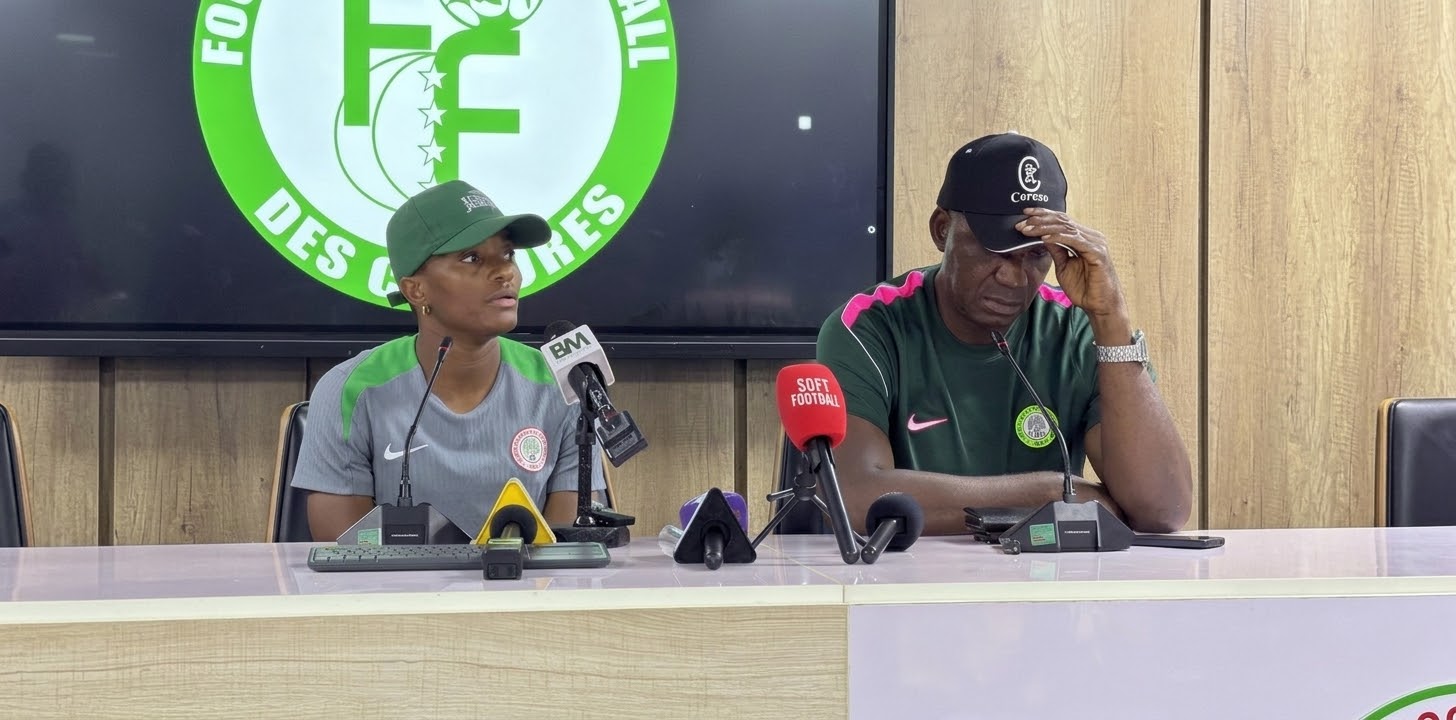
Speaking after the match, Eguavoen said the goalless first half had worried him because he expected more from a team with Nigeria’s quality and experience.

“I was nervous at the start because we desperately wanted to win the game. A draw away from home might be acceptable on paper, but given our pedigree and quality, regardless of the opponent, we expected more,” he said, according to Victor Ademola TV.
“We showed them utmost respect, but that first half was certainly worrisome.”
Eguavoen, however, believed the goals would come because Nigeria had controlled the game. He praised Comoros for their effort but felt the difference between the sides eventually showed.
“Still, I knew we would score eventually. It was only a matter of time because we dominated from start to finish. Comoros put up a spirited fight, but our superiority ultimately showed.”
The coach also addressed the pressure surrounding Nigeria after the WAFCON disappointment, insisting that the team had taken lessons from the campaign.
“What happened at WAFCON wasn’t an outright disaster; when you dominate a continent for decades, a dip can happen. Missing out on the World Cup was the true heartbreak,” Eguavoen said.
He added that opponents often raise their level when facing Nigeria and insisted the team had learned from its mistakes.
“We have absorbed those lessons as a unit, and moving forward, we won’t let those lapses repeat themselves.”
Nigeria will now look to complete the job against Comoros on Tuesday and move closer to a place at the 2028 Olympic Games.