





The Super Eagles of Nigeria are set to chase Africa’s biggest prize on a four-year schedule after the Confederation of African Football (CAF) confirmed a major change to the Africa Cup of Nations calendar, Footynaija.com reports.
CAF has confirmed that AFCON will move away from its long-standing two-year cycle and move to a four-year format after the 2028 edition. It’s one of the biggest shakeups in African football in over 50 years.
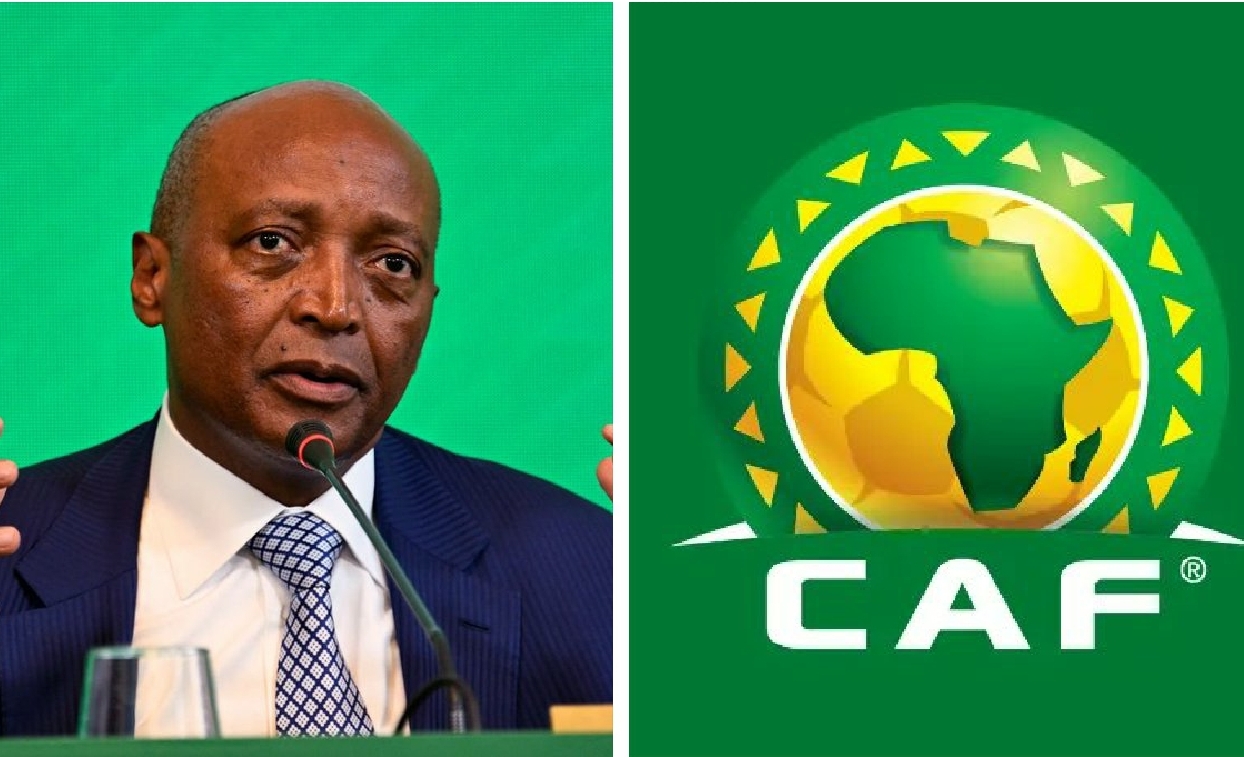
As confirmed in a report by ESPN, CAF president Patrice Motsepe explained that the change is aimed at bringing African football closer to the global calendar while easing pressure on players who feature heavily for European clubs.
Related Post






AFCON has often taken place in the middle of club seasons, forcing African stars to leave their teams at a critical stage of domestic and continental campaigns.

For the Super Eagles, the new cycle means fewer shots at the AFCON title within a decade, but each tournament now carries more weight.

Instead of fighting for continental glory every two years, Nigeria will approach AFCON with a longer build up, more defined team cycles, and greater focus on peak performance when the tournament finally arrives.
AFCON has followed a two-year cycle since 1968—one Nigeria has long adapted to. The Super Eagles thrived under that format, winning the title three times: in 1980 on home soil, 1994 in Tunisia, and 2013 in South Africa.
They West African side have also reached multiple finals and remain one of AFCON’s most consistent forces. With the new four-year format, those deep runs may become rarer but more intense.
CAF confirms that AFCON 2025 in Morocco and AFCON 2027 in East Africa will still go ahead as planned before the new cycle fully takes effect.