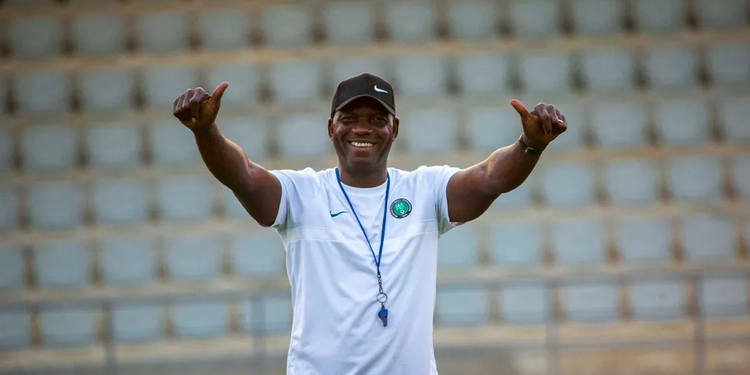



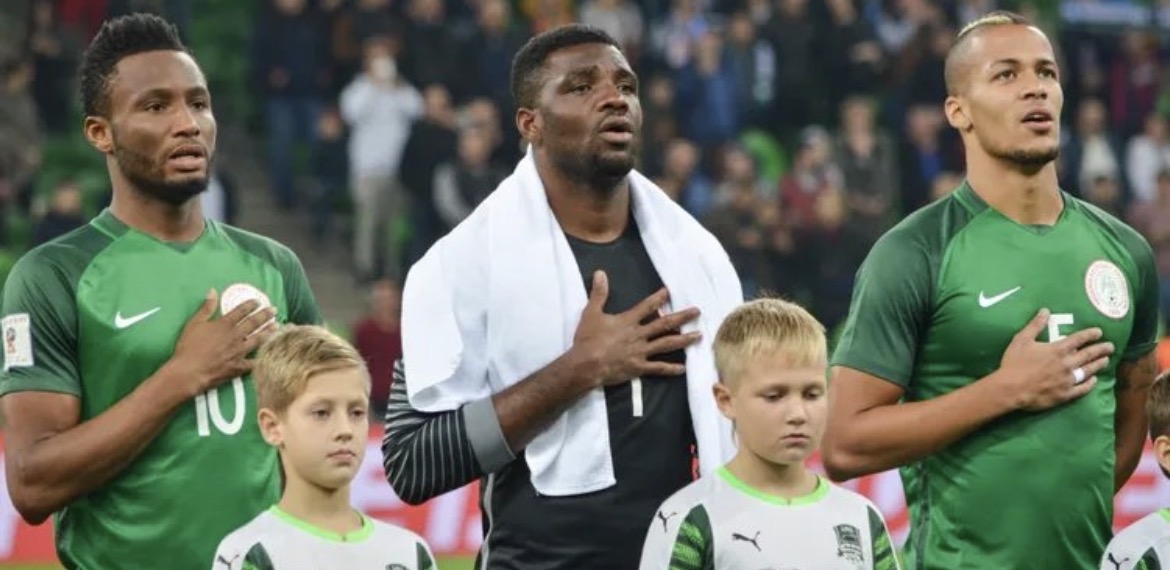


Eric Chelle has been given something several recent Super Eagles coaches did not have, a longer-term mandate and responsibility for the Olympic team, but former captain William Troost-Ekong believes that continuity will only produce results if Nigeria can create the structure around the coach to match the talent in the squad, Footynaija.com reports.
Chelle’s new arrangement was agreed in June after Nigeria finished third at the 2025 Africa Cup of Nations, with the Franco-Malian also handed responsibility for the Olympic Eagles. The idea gives him a clearer pathway to work with younger players before they reach the senior team.
There have already been signs of that approach working. George Ilenikhena and Moses Usor both scored on their senior debuts in Nigeria’s 2-1 victory over Madagascar in September, although the Super Eagles followed that result with a 3-0 defeat to Guinea-Bissau four days later.
Related Post





That difference is part of the reason Ekong believes the conversation around Nigeria should go beyond individual players or the coach. The former captain says the country has enough talent, but has not always given that talent a stable enough foundation.

Ekong explains what Chelle needs around him
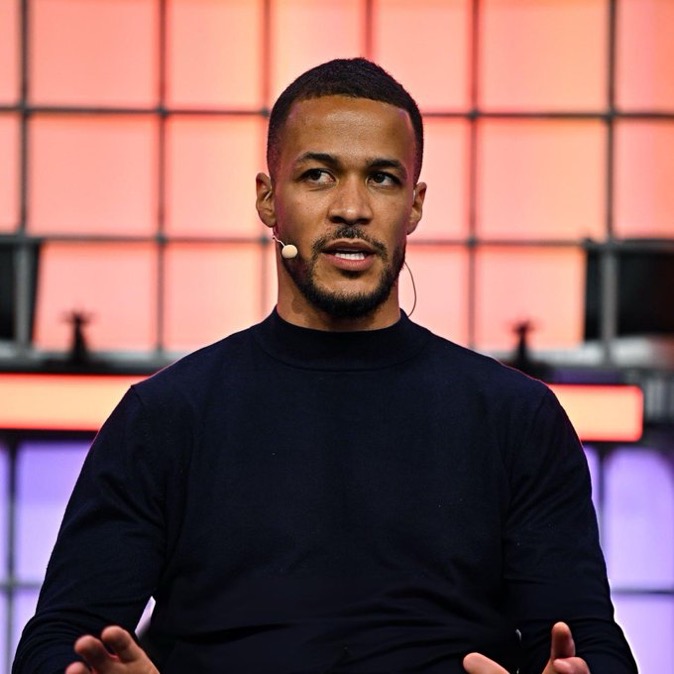
Speaking while working as a beIN Sports pundit, Ekong said consistency has to run from the Nigeria Football Federation through the coaching staff and into the players.

“We are at a point where we need to see some consistency from the top, downwards,” he said.
“I’m talking from the Federation, to the coach, to this group of players. I think the talent is there, but there’s still uncertainty how things are prepared for the team.”
The 33-year-old was also clear that he sees Chelle’s long-term appointment as a positive step.
“Appointing Eric Chelle for the long term was a great thing to do, he’s also been put in charge of the Olympic team. He understands the young players coming through.”
But Ekong believes the coach cannot be expected to solve every problem through the quality of the players available to him.
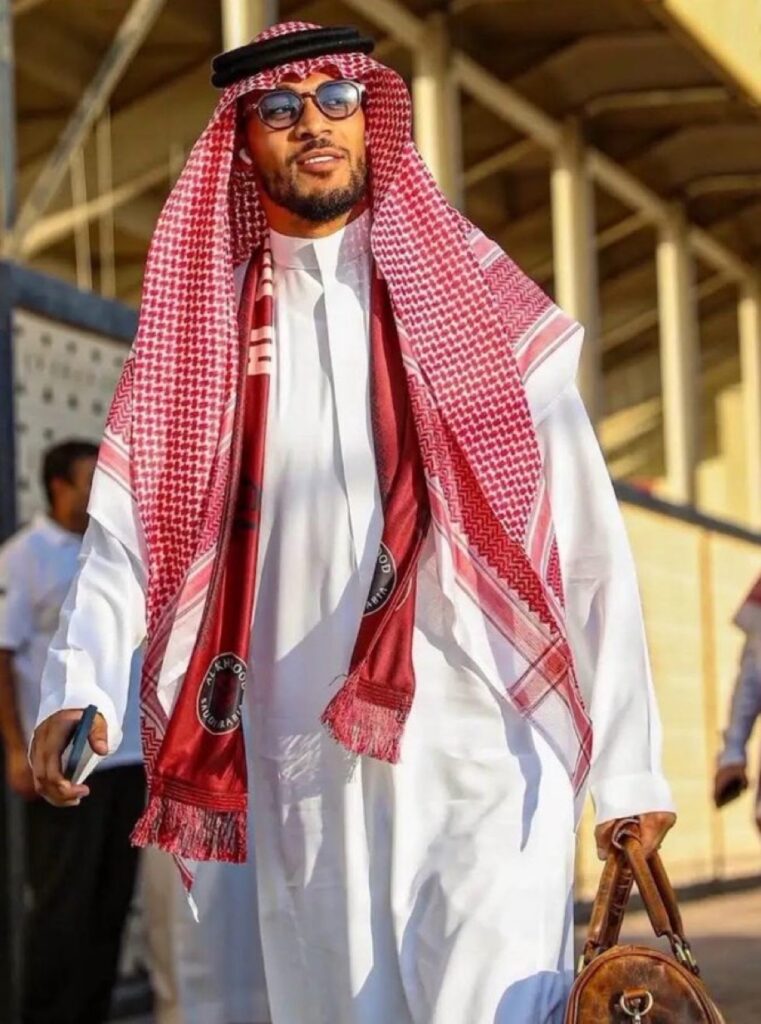
“So, that consistency is number one, but I think the team needs structure but we can’t depend on the talent alone.”
His warning comes at a time when Nigeria have struggled to turn their individual quality into consistent results. The Super Eagles missed the 2026 World Cup and have now taken three points from their opening two AFCON 2027 qualifiers.
Ekong believes Nigeria have previously managed to cover weaknesses because of the players available, but that approach is becoming harder to sustain as other African teams improve.
“I think we’ve managed to cover a lot of gaps over the years, but over time those things will get exposed,” he said.
“They need to have the right structure around it because the levels of all the other African teams are increasing.”
For Chelle, the challenge is therefore bigger than finding the right XI. Ekong’s argument is that Nigeria must give the coach a stable system, take qualifiers seriously from the start and create an environment where the Super Eagles’ talent can actually work.