

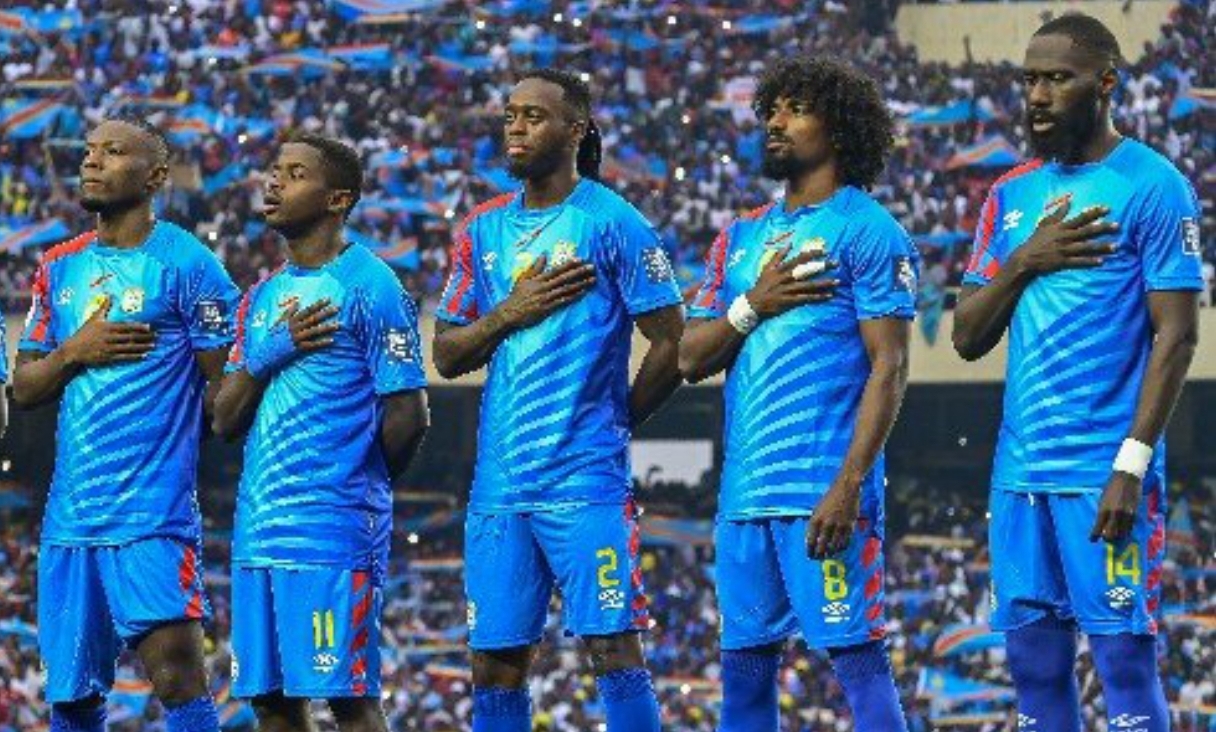


The controversy surrounding DR Congo’s World Cup qualification is heating up, with fresh scrutiny on the eligibility of the players used during the playoffs, Footynaija.com reports.
Nigeria’s case largely hinges on nationality dispute. DR Congo’s constitution doesn’t allow dual citizenship, except in rare cases for those born overseas, who must make a choice before turning 21.
The NFF’s stance is that even if FIFA cleared the players, it doesn’t count for much if Congo’s own nationality laws weren’t properly followed when those players lined up for the Leopards.
Related Post

Below are six players named in reports and the specific situations that have drawn scrutiny.
1. Aaron Wan Bissaka
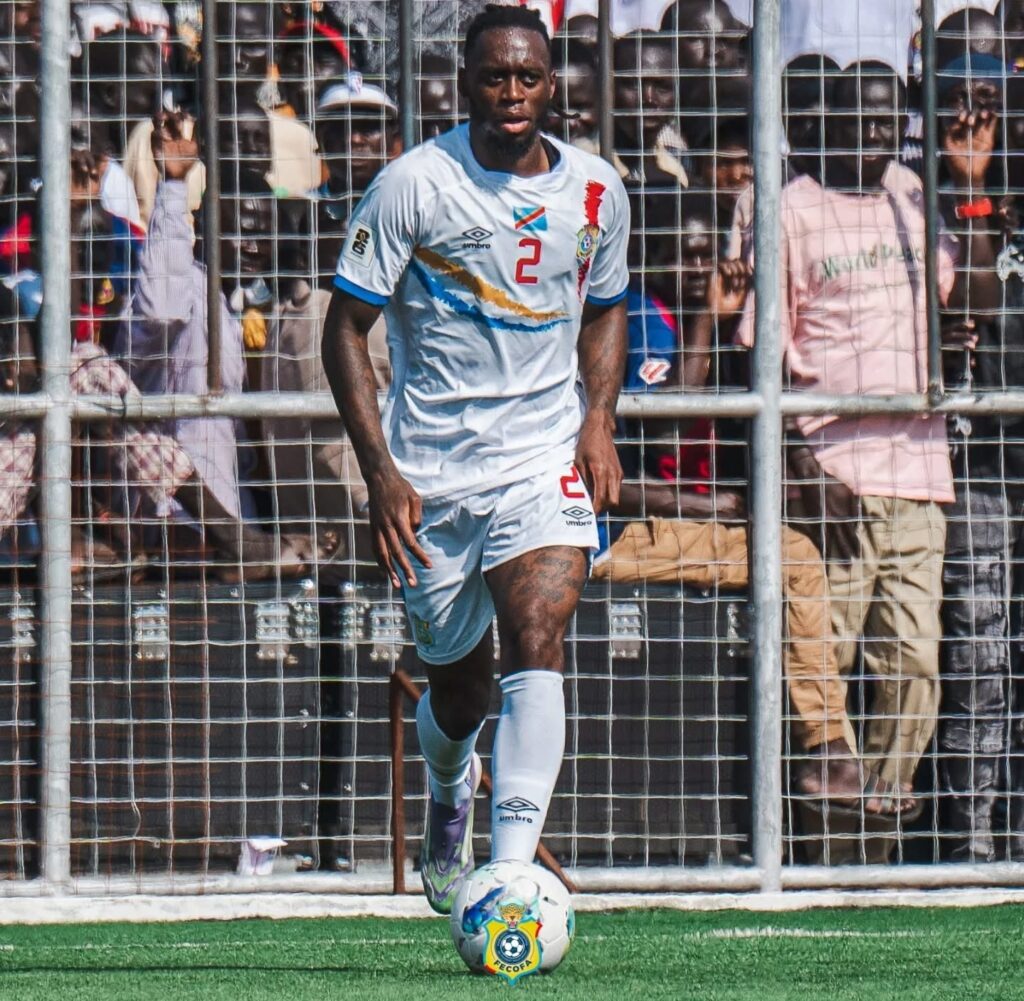
The most high profile name on the list is Aaron Wan Bissaka. The former Manchester United right back, now with West Ham United, switched allegiance to DR Congo after years of waiting for a senior England call up.
He made his competitive debut during the World Cup qualifiers and featured for the full duration of the playoff final against Nigeria. The concern raised by Nigeria is that Wan Bissaka still holds British nationality, which could conflict with DR Congo’s constitutional position on dual citizenship.
2. Axel Tuanzebe
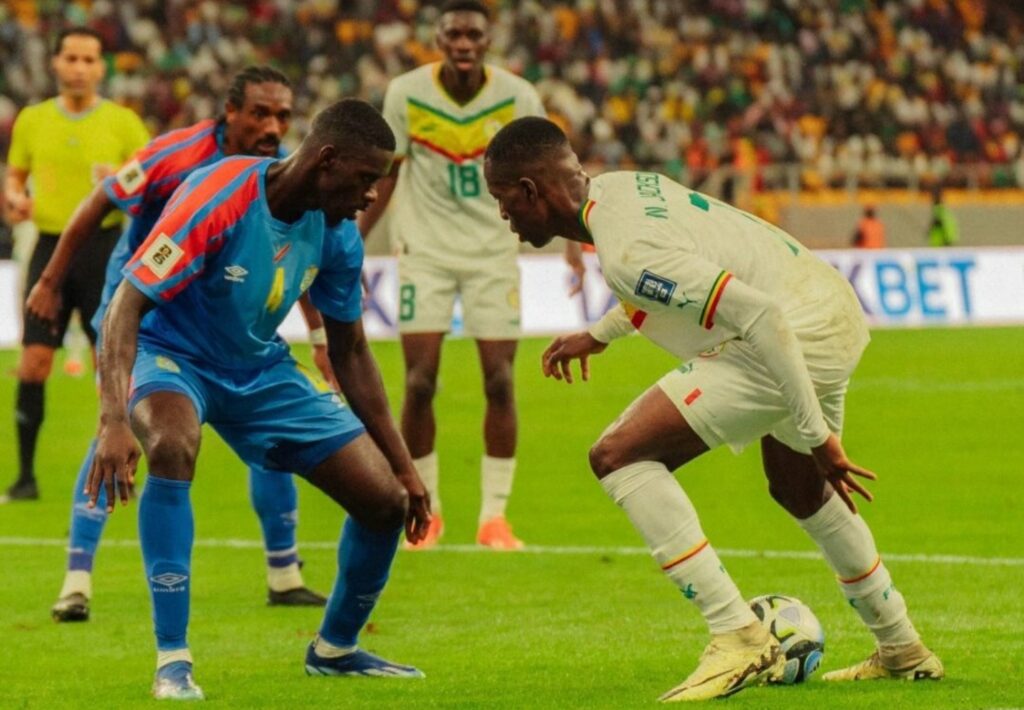
Another former Manchester United defender, Axel Tuanzebe was born in DR Congo but moved to England at the age of five. He represented England at youth level before switching to the Leopards in 2024.
Tuanzebe started the playoff final against Nigeria and even took a penalty in the shootout, which was saved. Nigeria’s petition questions whether he formally renounced his British citizenship before representing DR Congo in competitive matches.
3. Nathanael Mbuku
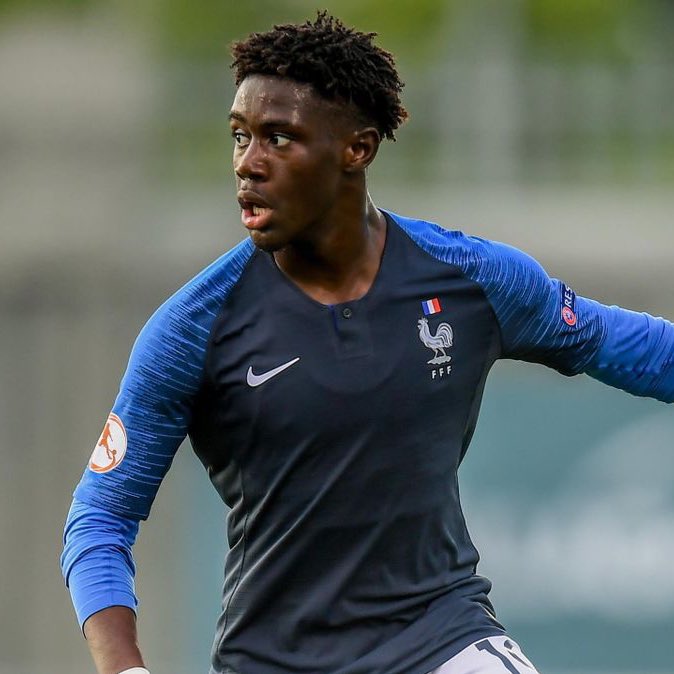
France born winger Nathanael Mbuku came through the French youth system and played at several junior levels, including involvement around the Olympic setup. He switched allegiance to DR Congo in 2024, after turning 21.
Mbuku started the playoff final and played deep into extra time. The issue raised is that he is believed to still hold French nationality, which Nigeria argues puts his eligibility in doubt under Congolese law.
4. Lionel Mpasi

Goalkeeper Lionel Mpasi has been part of the DR Congo setup since 2022. Born in France, he played for France at youth level and acquired French citizenship earlier in life.
Mpasi started the playoff final and kept goal until the final moments of extra time before being replaced ahead of the penalty shootout. Nigeria’s complaint centres on reports that he did not relinquish his French nationality before becoming a full international for DR Congo.
5. Timothy Fayulu
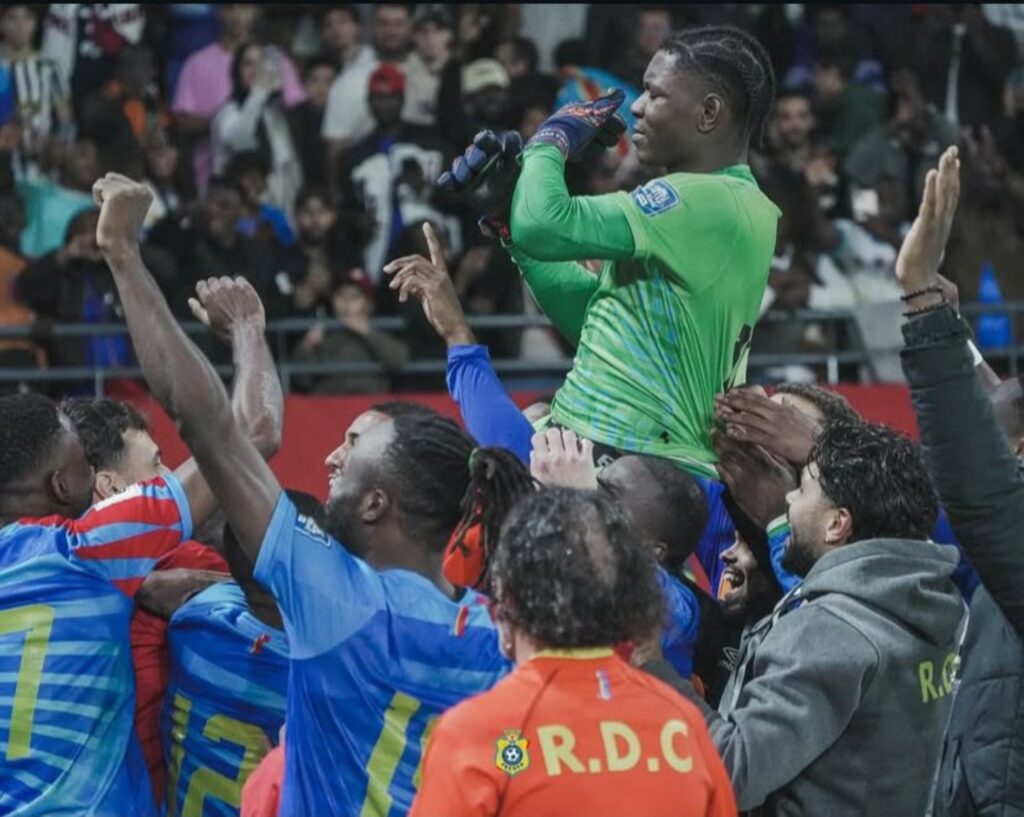
Swiss born Timothy Fayulu was a member of Switzerland’s Under 21 squad before switching allegiance in 2025. His impact against Nigeria was dramatic. Brought on in the final minute of extra time, Fayulu saved two penalties in the shootout to send DR Congo through. Like the others, Nigeria claims he still holds a Swiss passport, raising questions about compliance with Congolese nationality rules.
6. Michel Ange Balikwisha
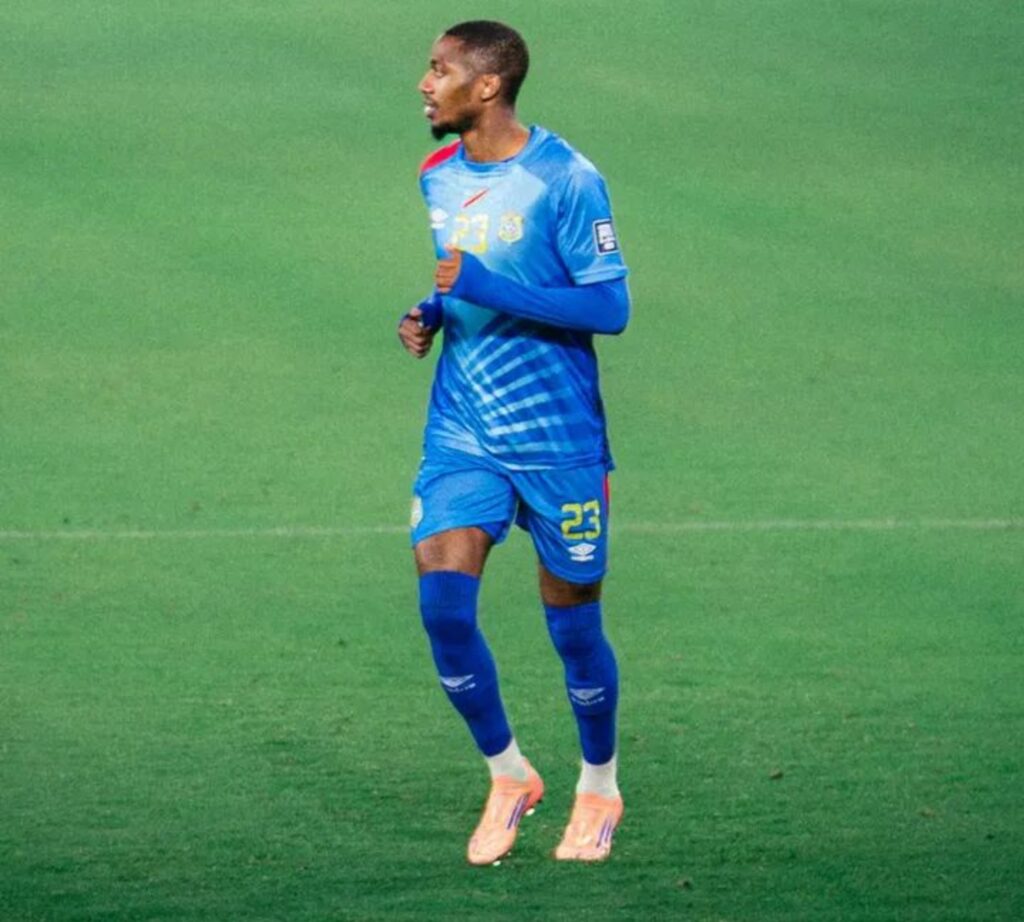
Belgian born winger Michel Ange Balikwisha completed a late switch of association and received FIFA approval shortly before the playoff. He came off the bench against Nigeria and scored his penalty in the shootout. The NFF argues that, although FIFA cleared the switch, Balikwisha may not have fully resolved his Belgian nationality status in line with DR Congo’s constitution.
FIFA is reviewing the matter. Until a final decision is made, the controversy continues to hang over one of the most dramatic World Cup qualifiers involving the Super Eagles in recent years.





Comments 1