




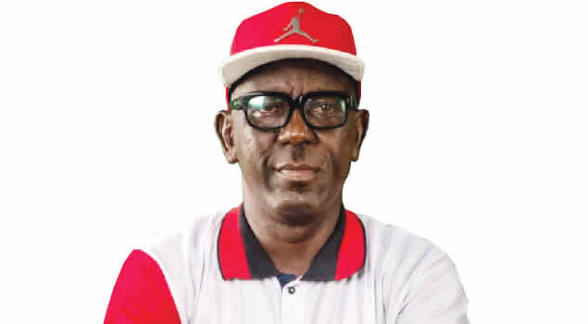
Nigeria’s search for the next generation of footballers will require more than talent hunts and occasional competitions, with Presidential aide Adeyinka Anthony Adeboye pointing to sustained investment in facilities, coaching and player development as the kind of structure needed to take young players from the grassroots to the highest level, Footynaija.com reports.
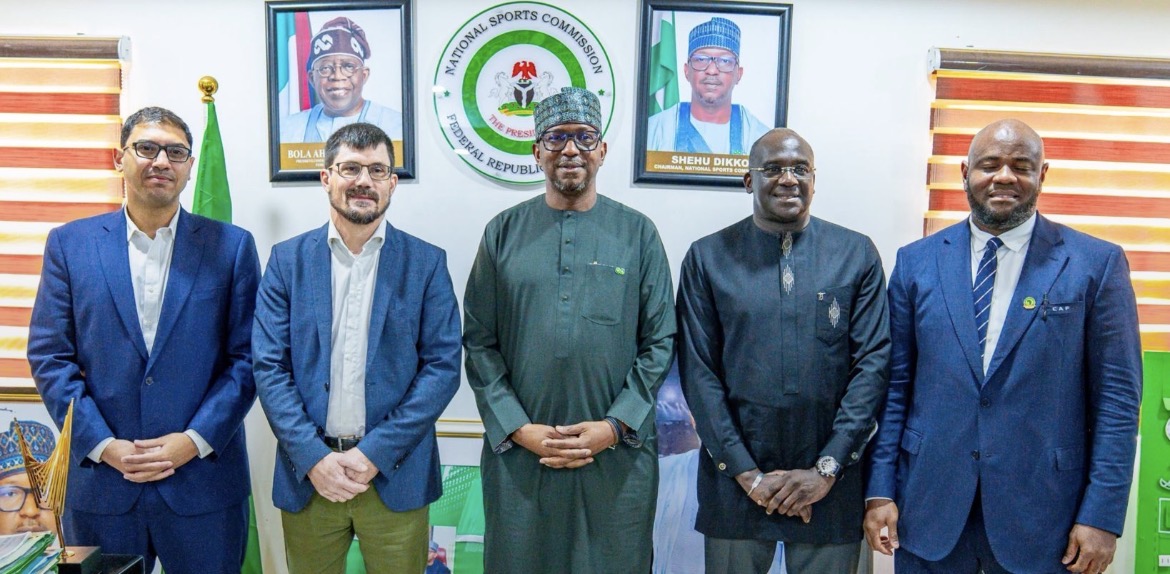
Adeboye made the point during a visit to Bariga Stars Football Club, a grassroots project founded by Alabi Kolade David in Lagos, where he inspected facilities being developed into a football camp for young players.
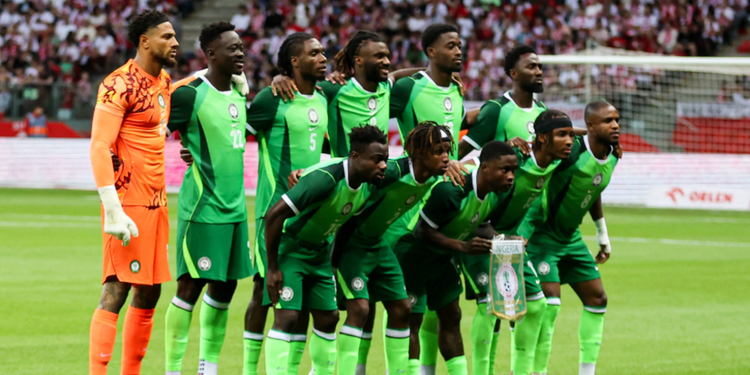
The project is expected to provide a base for identifying and developing U-15 and U-16 boys and girls from different parts of Nigeria. That approach comes at a time when the country is looking again at how young players are discovered and developed after the senior national team missed the 2026 World Cup.
Related Post




The NFF has also been working with FIFA on its Talent Development Scheme, including scouting activities across different states, while its recent amateur football assessment was aimed at understanding the structures at the lower levels of the game.
That makes the issue bigger than one academy or one local council. Nigeria has players emerging from communities across the country, but the system that should take them from raw talent to properly trained footballers has often been less consistent.
Adeboye points to what is missing
In a report by Sports 247, Adeboye said the Bariga project showed the difference that private and community investment could make when it is built around development rather than simply providing a place to play.
“What I have seen here is impressive because this is not just about putting up a football facility. It is about creating a home where young talents can be identified, brought together, properly trained and given an opportunity to develop.”
That is also where he believes the real problem lies.
“Nigeria has never lacked football talent. Our challenge has always been what happens after we discover them. Who trains them? Where do they stay? What competitions do they play? How are they monitored? How do they move to the next level?”
The NFF has recognised several of those gaps. Its 2025 General Assembly called for stronger talent discovery, coaching education and infrastructure, while also urging state governments to invest in standard football facilities.
FIFA has also committed funding to football infrastructure in Nigeria, including new training pitches and accommodation at the MKO Abiola National Stadium in Abuja.
But Adeboye believes the responsibility cannot sit with the football federation or government alone.
“The Office of the SSA cannot develop grassroots sports alone, and government cannot do it alone. We need people who are prepared to invest in facilities, coaching and young athletes.”
For him, the success of such investment should eventually be measured by the players it produces, not simply the quality of the buildings.
“I want to return here in the years ahead and see young players who passed through this facility wearing the colours of Nigeria. That should be the dream.”