






The Africa Cup of Nations returns in 2025, with Morocco hosting what promises to be a thrilling tournament.
Twenty-four nations will compete for the continent’s biggest prize, with the hosts opening against Comoros in Rabat. The final will be held at the Prince Moulay Abdellah Stadium.
In this piece, Footynaija.com brings you the full breakdown of the upcoming Africa Cup of Nations.
Related Post



Dates
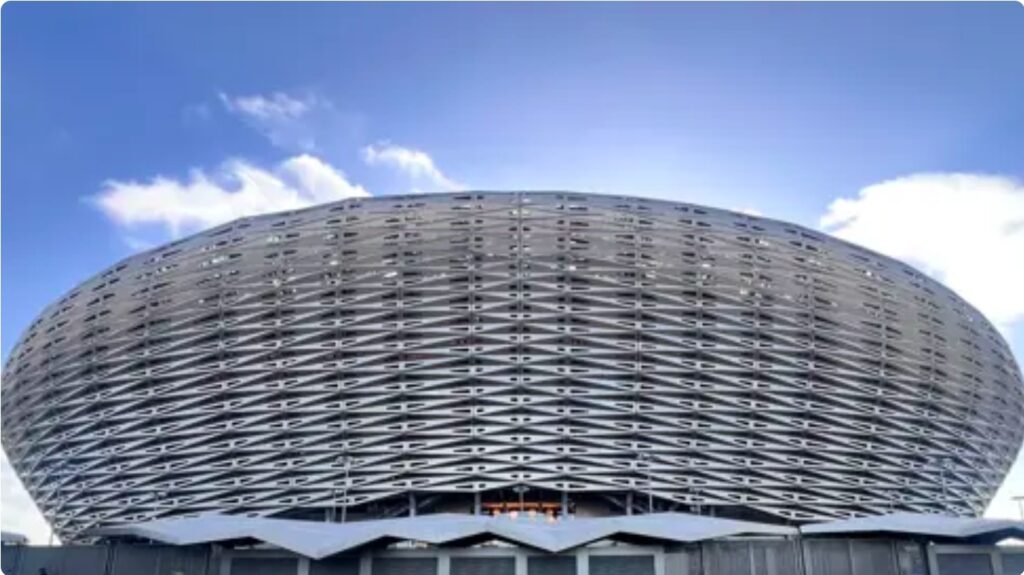
Photo Credit: CAF Online
AFCON 2025 kicks off on 21 December, with hosts Morocco taking on Comoros at the 69,500-capacity Prince Moulay Abdellah Stadium in Rabat. The same venue will host the final on 18 January 2026.
With the tournament stretching across the festive period, fans can expect a lot of action right through the New Year.
Host
Morocco returns as AFCON hosts for the second time, having previously staged the tournament in 1988. Nine stadiums across six cities will host matches, giving fans multiple venues to witness top African football. Home advantage could be a real boost for the Atlas Lions as they start their campaign against Comoros.
Format
The tournament features 24 teams, divided into six groups of four. The top two teams in each group, plus the four best third-placed sides, will advance to the Round of 16.
From there, the competition moves to knockout rounds: quarter-finals, semi-finals, and the final. This structure ensures a high-stakes environment from the group stage onward, with every match counting.
Group Tables
Group A: Morocco, Mali, Zambia, Comoros
Group B: Egypt, South Africa, Angola, Zimbabwe
Group C: Nigeria, Tunisia, Uganda, Tanzania
Group D: Senegal, DR Congo, Benin, Botswana
Group E: Algeria, Burkina Faso, Equatorial Guinea, Sudan
Group F: Côte d’Ivoire, Cameroon, Gabon, Mozambique
Nigeria’s Opponents
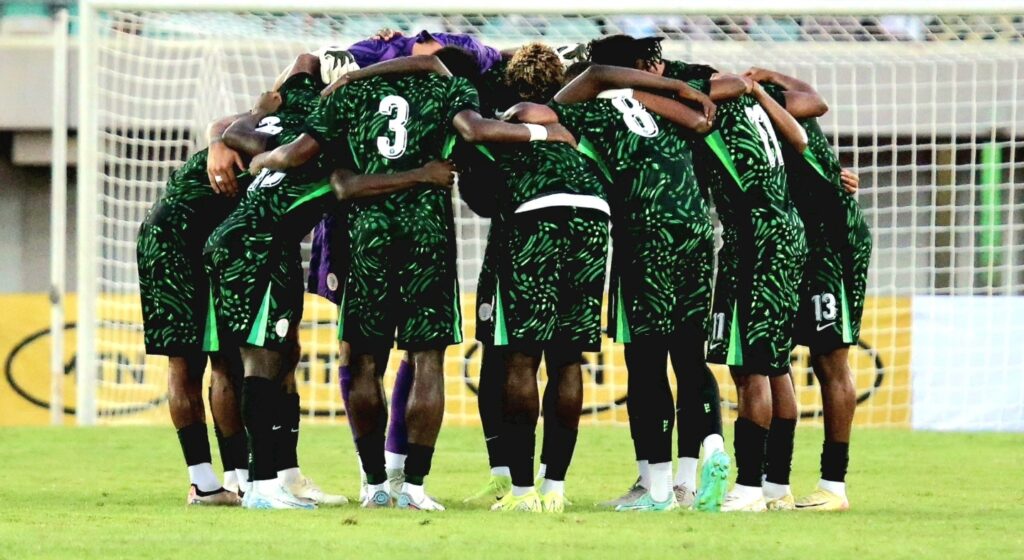
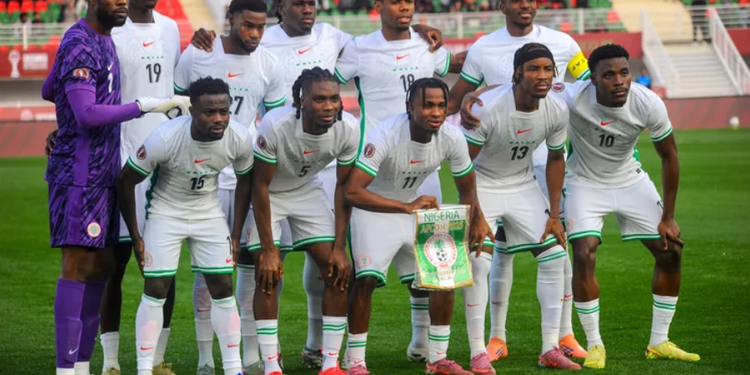
For the Super Eagles, it’s a shot at reclaiming their place at the top. They’re in a tough group, where fast starts and big performances could make all the difference in their push for the title.
The three-time African champions find themselves in Group C, alongside Tunisia, Uganda, and Tanzania. Tunisia will likely be Nigeria’s toughest test, bringing experience and disciplined tactics. Uganda has improved as well, fielding a squad with some Europe-based talent. Tanzania is seen as the underdog, but surprises cannot be ruled out.
Coach Eric Chelle will have to manage Europe-based players carefully, with FIFA rules only allowing clubs to release them from 15 December, leaving limited preparation time. The group stage will demand focus from the Super Eagles, who aim to advance while keeping their eye on the title.






Comments 1