



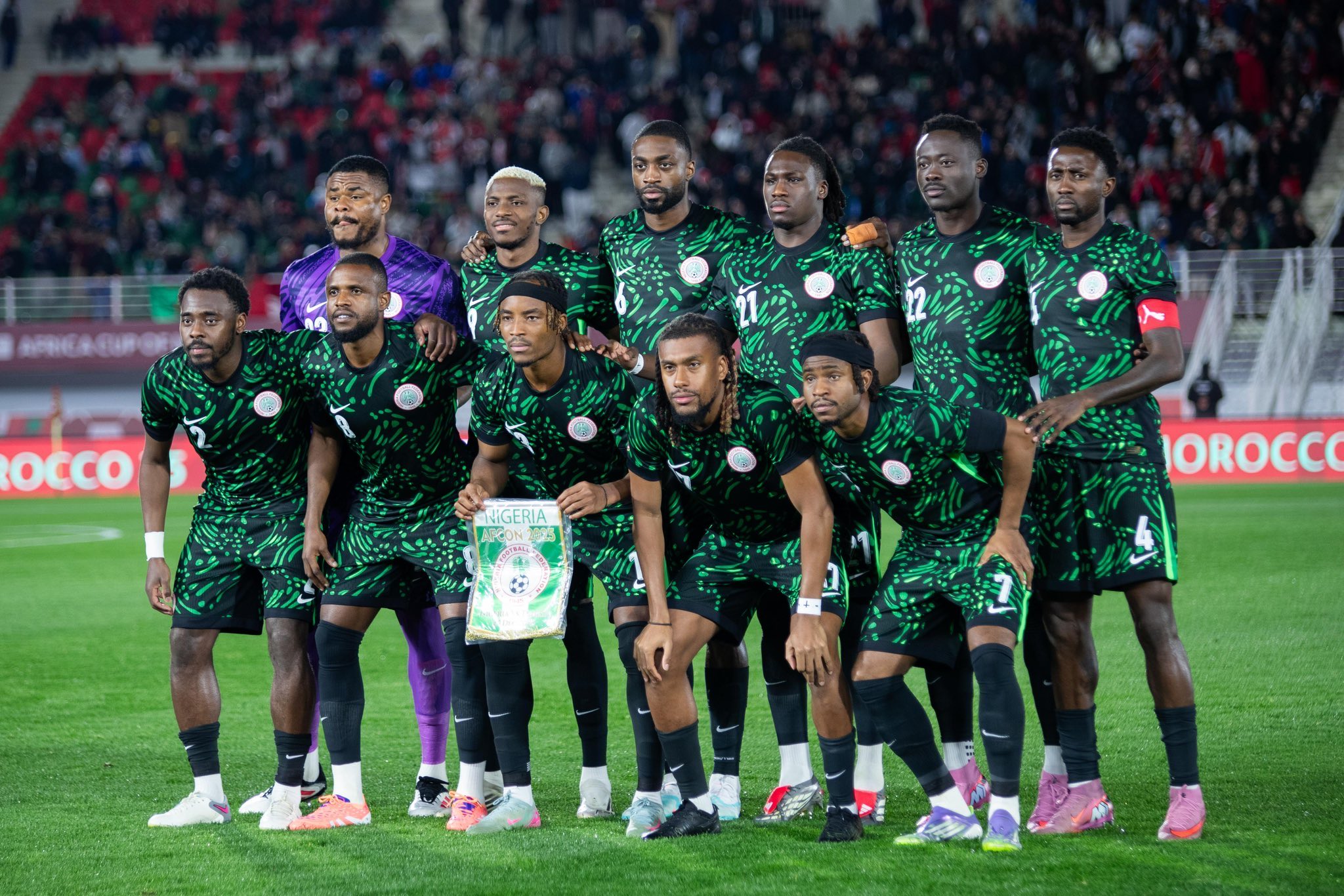


Emmanuel Babayaro has raised concern about Nigeria’s ability to attract dual-eligible players, arguing that the Super Eagles too often end up as a fallback option for footballers who have already been passed over by their adopted countries, Footynaija.com reports.
Babayaro, a former Super Eagles left-back and member of the iconic Nigeria squad that won football gold at the 1996 Atlanta Olympics, has remained a vocal observer of the national team since retiring.
His comments come at a time when Nigeria’s relationship with dual-eligible players has become a growing conversation, particularly after the recent breakthrough of teenagers like Liverpool’s Rio Ngumoha, who holds Nigerian eligibility but has represented England at youth level.
Related Post






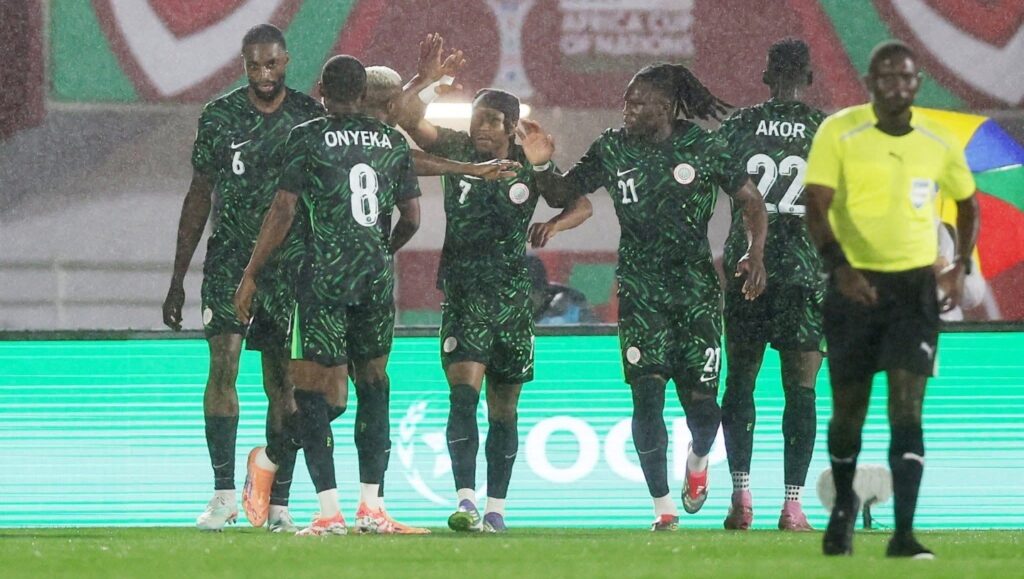
This problem has been around for a while, but now people are paying closer attention to it. Nigeria missed the 2026 World Cup after a penalty shootout defeat to DR Congo in the CAF playoff final last November, and with a rebuild now underway under coach Eric Chelle, the question of who commits to the green and white is more relevant than ever.
‘We are taking the leftovers’
Speaking on the ATHLST podcast, Babayaro did not soften his assessment.
“We need to pay more attention to production,” he said.
“A lot of these players, their first instinct is that they would rather be with their adopted countries, the places where they think the football is bigger.”
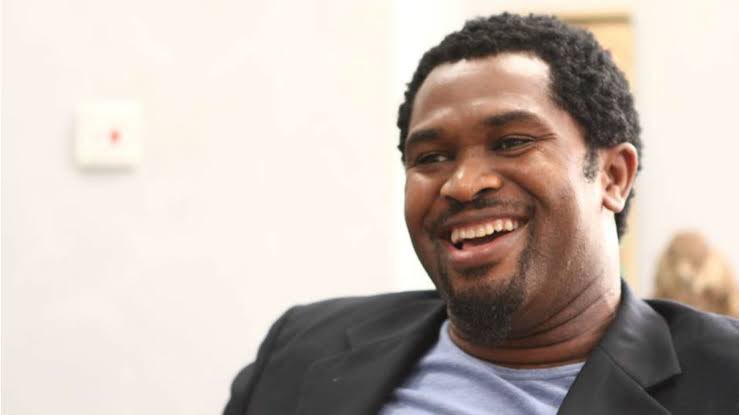
He went further, identifying what he believes drives most switches toward Nigeria.
“More often than not, them coming back to say they are going to play for Nigeria is as a result of missing out on selection in their adopted countries. That means us taking the leftovers.”
From someone who represented Nigeria at two World Cups and three Africa Cup of Nations tournaments, that means a lot.
Babayaro’s point cuts to a structural problem that Nigerian football has wrestled with for years, namely how to position the Super Eagles as a first choice rather than a consolation for players raised abroad.
With qualifying for the 2027 AFCON beginning in September and the 2030 World Cup cycle approaching, how Nigeria handles the next generation of dual-eligible talent could define the squad for years to come.