


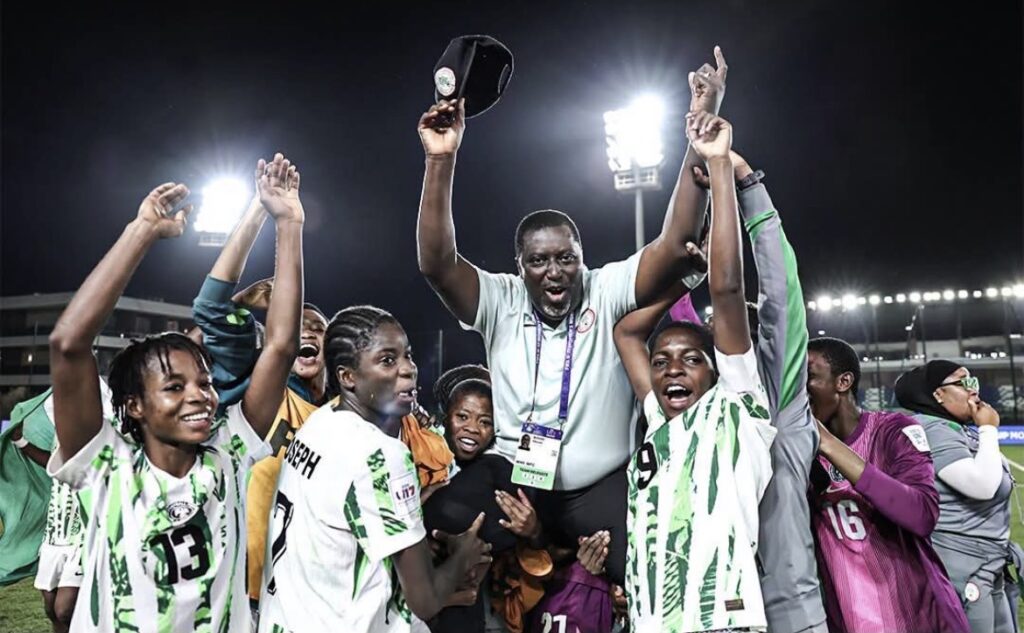
Nigeria’s first FIFA U-17 Women’s World Cup title has given Hakeem Busari a reason to believe African teams are closing the gap on the traditional powers of youth football, after the Flamingos defeated Japan 2-1 in Saturday’s final in Rabat, Morocco, Footynaija.com reports.
The victory completed a remarkable recovery for Nigeria, who began the tournament with a 2-1 defeat to Poland on October 17. They responded with wins over Puerto Rico and defending champions North Korea before knocking out Mexico, Venezuela and Brazil to reach their first final.
Against Japan, the Flamingos took control through two goals around half-time. Awawu Bashiru opened the scoring in the 39th minute with an effort from distance that slipped through goalkeeper Kou Kadowaki’s hands.
Related Post




Oluebube Umejiaku doubled Nigeria’s advantage two minutes after the restart, running on to Esther Stephen’s pass before lifting the ball over the advancing goalkeeper. Japan reduced the deficit through Fuki Ito in the 80th minute, but Nigeria held on under late pressure to secure the trophy.
The result made Nigeria the first African country to win the FIFA U-17 Women’s World Cup. It also marked the first time an African women’s national team had won a FIFA World Cup title at any level.
Busari sees a turning point for Africa
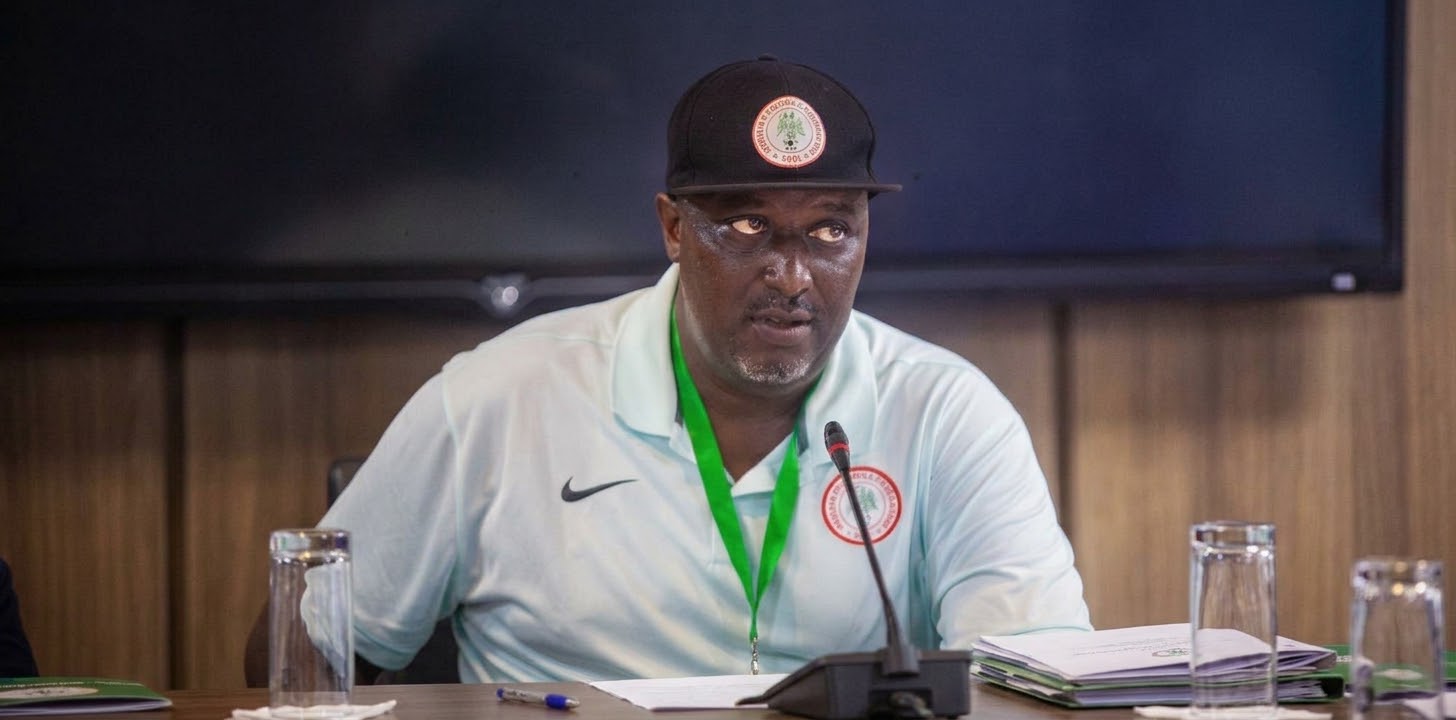
Speaking to FIFA after the final, Busari described the achievement as a major step for African football, pointing to the growing ability of the continent’s young teams to compete against established opponents.
“This is a turnaround for Africa,” he said.
“In terms of youth-age football, it’s improving, and here we could really come and compete. Being a champion is going to go a long way to really motivate us, and we are sending a signal, a message to the world that Africa is really coming.”
The coach’s comments followed a campaign in which Nigeria defeated three former champions or established contenders, including North Korea, Brazil and Japan. Their semi-final victory over Brazil was particularly convincing, with the Flamingos winning 3-1 before carrying that form into the final.
Umejiaku also finished the competition with the Golden Ball after scoring four goals, including the decisive second goal against Japan. Her award added individual recognition to a team achievement that has given African women’s youth football its first world title.
For Busari, the task now is to ensure the victory encourages more African teams to believe they can compete for global honours.