





The problems around Nigerian football have taken another turn, with the EFCC and ICPC now looking into the use of a ₦12 billion Federal Government intervention fund released to the Nigeria Football Federation (NFF) for outstanding players’ wages, bonuses and other national-team obligations, Footynaija.com reports.
The development comes as the NFF faces one of its most difficult periods in recent years. Poor results across the national teams have led to growing criticism, while the Super Falcons’ failure to qualify for the 2027 FIFA Women’s World Cup has added to the pressure on the federation.
Nigeria had never missed a Women’s World Cup since the competition began in 1991. That record ended after the Falcons lost 2-1 to South Africa in the playoff for a place in the Inter-Confederation Playoffs. The setback forced the NFF to take further steps as questions grew over the state of the national teams.
Related Post





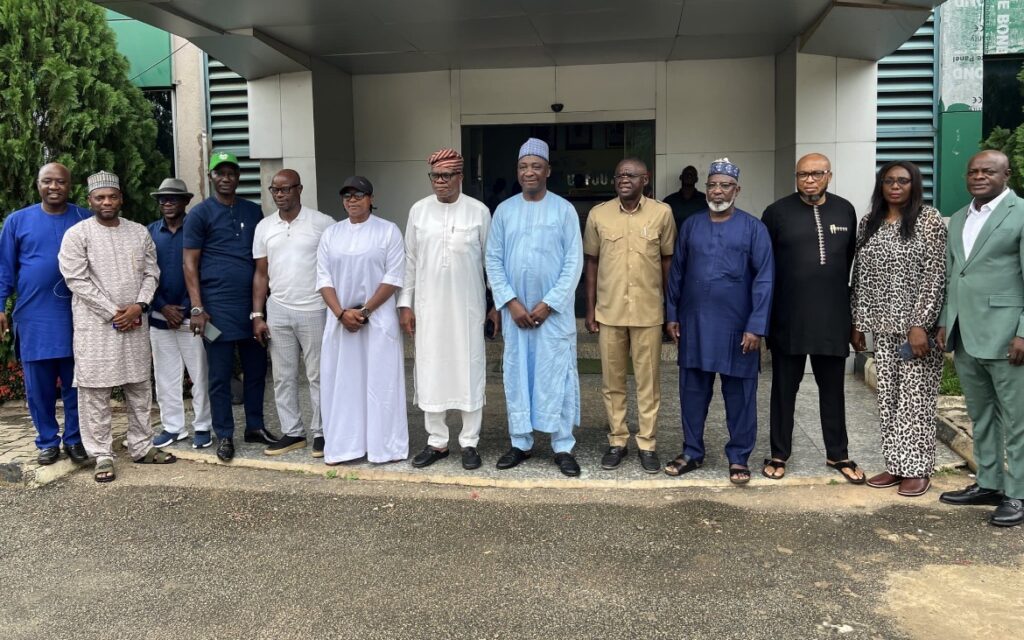
The federation has since set up a fact-finding committee headed by former NFF General Secretary Fanny Amun. Former Super Eagles captain Mutiu Adepoju and former Super Falcons captain Desire Oparanozie are also members of the committee, alongside Ladan Bosso and former FIFA referee Alex Mana.

Now, the scrutiny has moved beyond results and team performance.

EFCC and ICPC investigate ₦12bn fund
The NFF confirmed in a letter dated that the EFCC and ICPC are investigating the utilisation of the ₦12 billion intervention fund, according to reports.
The federation said documents relating to the fund are currently with the two anti-corruption agencies.
The Federal Government released the money to help the NFF deal with outstanding financial obligations to players and other national-team personnel. Those obligations included unpaid wages, bonuses and other costs linked to the national teams.
The investigation does not, on its own, mean that the NFF or any official has been found guilty of wrongdoing. The focus at this stage is on how the money was used and what the records presented to the two agencies show.
For the NFF, however, the timing could hardly be more difficult. The federation is already under pressure to explain the poor run of the national teams and find a way forward after the Falcons’ World Cup setback.
The ₦12 billion investigation now adds another serious issue to that growing list.