


Related Post



As Germany prepares to face the runner-up of England’s group, currently Denmark, and Switzerland awaits their Group B runner-up opponent, let’s dive into the key takeaways from this gripping encounter.
1. Fullkrug’s Clutch Performance Highlights Germany’s Depth
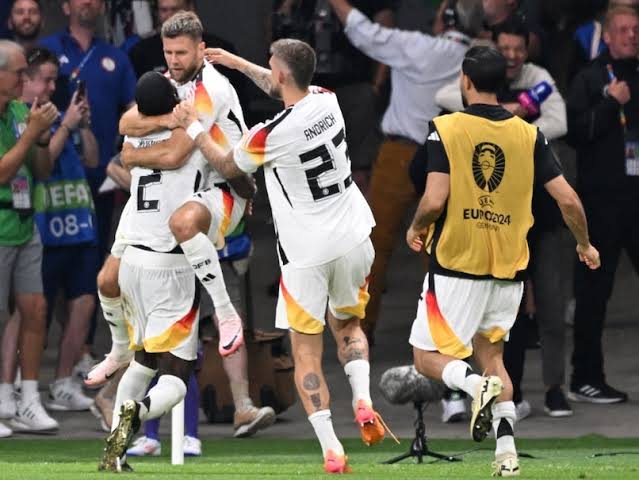
Niclas Fullkrug’s equalizer in the dying moments of the match was a textbook example of a striker’s instinct and the importance of squad depth.
Fullkrug’s ability to find space and finish under pressure underscores Germany’s attacking options. His header, directed into the far corner from Raum’s cross, demonstrated excellent timing and positioning, providing Germany with a crucial point and the top spot in the group.
2. Swiss Defensive Solidity and Tactical Discipline
Switzerland’s defensive setup was a masterclass in organization and resilience.
Under the guidance of coach Murat Yakin, the Swiss side effectively nullified Germany’s attacking threats for most of the match.
Yann Sommer’s goalkeeping was pivotal, making several key saves, including a critical dive to deny Granit Xhaka’s 25-yard screamer.
The Swiss backline, marshaled by Manuel Akanji, showed great composure under constant German pressure, proving their mettle in high-stakes matches.
3. Germany’s Midfield Control but Lack of Penetration
Germany’s midfield trio of Toni Kroos, Ilkay Gundogan, and Joshua Kimmich controlled possession but struggled to convert this dominance into clear-cut chances.
Kroos, despite his precise passing, couldn’t find the back of the net and continued his goal drought at the Euros. This match highlighted Germany’s need for more incisive play in the final third.
The midfield’s inability to break down a well-organized defence will be a point of focus for Julian Nagelsmann as they advance in the tournament.
4. Swiss Efficiency in Set-Pieces
Switzerland’s ability to capitalize on set-pieces was on full display with Dan Ndoye’s opener.
Remo Freuler’s precise delivery and Ndoye’s sharp finish past Manuel Neuer illustrated Switzerland’s strategic use of set-pieces. This efficiency is crucial in tight matches where open play opportunities are limited.
Switzerland’s approach of maximizing set-piece situations nearly secured them a famous victory, showcasing their tactical awareness and execution.
5. Effective Substitutions and Tactical Adjustments
Julian Nagelsmann’s substitutions were pivotal in changing the game’s dynamic. The introduction of Leroy Sane and Niclas Fullkrug added a new dimension to Germany’s attack, with Sane’s pace and dribbling stretching the Swiss defence.
Fullkrug’s aerial brilliance and positioning were critical, culminating in the equalizer. On the Swiss side, substitutions like Amdouni and Vargas were aimed at bolstering their defensive resolve and maintaining counter-attacking options.
However, they ultimately couldn’t withstand the late German onslaught.

As Germany prepares to face the runner-up of England’s group, currently Denmark, and Switzerland awaits their Group B runner-up opponent, let’s dive into the key takeaways from this gripping encounter.
1. Fullkrug’s Clutch Performance Highlights Germany’s Depth
Niclas Fullkrug’s equalizer in the dying moments of the match was a textbook example of a striker’s instinct and the importance of squad depth.
Fullkrug’s ability to find space and finish under pressure underscores Germany’s attacking options. His header, directed into the far corner from Raum’s cross, demonstrated excellent timing and positioning, providing Germany with a crucial point and the top spot in the group.
2. Swiss Defensive Solidity and Tactical Discipline
Switzerland’s defensive setup was a masterclass in organization and resilience.
Under the guidance of coach Murat Yakin, the Swiss side effectively nullified Germany’s attacking threats for most of the match.
Yann Sommer’s goalkeeping was pivotal, making several key saves, including a critical dive to deny Granit Xhaka’s 25-yard screamer.
The Swiss backline, marshaled by Manuel Akanji, showed great composure under constant German pressure, proving their mettle in high-stakes matches.
3. Germany’s Midfield Control but Lack of Penetration
Germany’s midfield trio of Toni Kroos, Ilkay Gundogan, and Joshua Kimmich controlled possession but struggled to convert this dominance into clear-cut chances.
Kroos, despite his precise passing, couldn’t find the back of the net and continued his goal drought at the Euros. This match highlighted Germany’s need for more incisive play in the final third.
The midfield’s inability to break down a well-organized defence will be a point of focus for Julian Nagelsmann as they advance in the tournament.
4. Swiss Efficiency in Set-Pieces
Switzerland’s ability to capitalize on set-pieces was on full display with Dan Ndoye’s opener.
Remo Freuler’s precise delivery and Ndoye’s sharp finish past Manuel Neuer illustrated Switzerland’s strategic use of set-pieces. This efficiency is crucial in tight matches where open play opportunities are limited.
Switzerland’s approach of maximizing set-piece situations nearly secured them a famous victory, showcasing their tactical awareness and execution.
5. Effective Substitutions and Tactical Adjustments
Julian Nagelsmann’s substitutions were pivotal in changing the game’s dynamic. The introduction of Leroy Sane and Niclas Fullkrug added a new dimension to Germany’s attack, with Sane’s pace and dribbling stretching the Swiss defence.
Fullkrug’s aerial brilliance and positioning were critical, culminating in the equalizer. On the Swiss side, substitutions like Amdouni and Vargas were aimed at bolstering their defensive resolve and maintaining counter-attacking options.
However, they ultimately couldn’t withstand the late German onslaught.

As Germany prepares to face the runner-up of England’s group, currently Denmark, and Switzerland awaits their Group B runner-up opponent, let’s dive into the key takeaways from this gripping encounter.
1. Fullkrug’s Clutch Performance Highlights Germany’s Depth
Niclas Fullkrug’s equalizer in the dying moments of the match was a textbook example of a striker’s instinct and the importance of squad depth.
Fullkrug’s ability to find space and finish under pressure underscores Germany’s attacking options. His header, directed into the far corner from Raum’s cross, demonstrated excellent timing and positioning, providing Germany with a crucial point and the top spot in the group.
2. Swiss Defensive Solidity and Tactical Discipline
Switzerland’s defensive setup was a masterclass in organization and resilience.
Under the guidance of coach Murat Yakin, the Swiss side effectively nullified Germany’s attacking threats for most of the match.
Yann Sommer’s goalkeeping was pivotal, making several key saves, including a critical dive to deny Granit Xhaka’s 25-yard screamer.
The Swiss backline, marshaled by Manuel Akanji, showed great composure under constant German pressure, proving their mettle in high-stakes matches.
3. Germany’s Midfield Control but Lack of Penetration
Germany’s midfield trio of Toni Kroos, Ilkay Gundogan, and Joshua Kimmich controlled possession but struggled to convert this dominance into clear-cut chances.
Kroos, despite his precise passing, couldn’t find the back of the net and continued his goal drought at the Euros. This match highlighted Germany’s need for more incisive play in the final third.
The midfield’s inability to break down a well-organized defence will be a point of focus for Julian Nagelsmann as they advance in the tournament.
4. Swiss Efficiency in Set-Pieces
Switzerland’s ability to capitalize on set-pieces was on full display with Dan Ndoye’s opener.
Remo Freuler’s precise delivery and Ndoye’s sharp finish past Manuel Neuer illustrated Switzerland’s strategic use of set-pieces. This efficiency is crucial in tight matches where open play opportunities are limited.
Switzerland’s approach of maximizing set-piece situations nearly secured them a famous victory, showcasing their tactical awareness and execution.
5. Effective Substitutions and Tactical Adjustments
Julian Nagelsmann’s substitutions were pivotal in changing the game’s dynamic. The introduction of Leroy Sane and Niclas Fullkrug added a new dimension to Germany’s attack, with Sane’s pace and dribbling stretching the Swiss defence.
Fullkrug’s aerial brilliance and positioning were critical, culminating in the equalizer. On the Swiss side, substitutions like Amdouni and Vargas were aimed at bolstering their defensive resolve and maintaining counter-attacking options.
However, they ultimately couldn’t withstand the late German onslaught.
As Germany prepares to face the runner-up of England’s group, currently Denmark, and Switzerland awaits their Group B runner-up opponent, let’s dive into the key takeaways from this gripping encounter.
1. Fullkrug’s Clutch Performance Highlights Germany’s Depth
Niclas Fullkrug’s equalizer in the dying moments of the match was a textbook example of a striker’s instinct and the importance of squad depth.
Fullkrug’s ability to find space and finish under pressure underscores Germany’s attacking options. His header, directed into the far corner from Raum’s cross, demonstrated excellent timing and positioning, providing Germany with a crucial point and the top spot in the group.
2. Swiss Defensive Solidity and Tactical Discipline
Switzerland’s defensive setup was a masterclass in organization and resilience.
Under the guidance of coach Murat Yakin, the Swiss side effectively nullified Germany’s attacking threats for most of the match.
Yann Sommer’s goalkeeping was pivotal, making several key saves, including a critical dive to deny Granit Xhaka’s 25-yard screamer.
The Swiss backline, marshaled by Manuel Akanji, showed great composure under constant German pressure, proving their mettle in high-stakes matches.
3. Germany’s Midfield Control but Lack of Penetration
Germany’s midfield trio of Toni Kroos, Ilkay Gundogan, and Joshua Kimmich controlled possession but struggled to convert this dominance into clear-cut chances.
Kroos, despite his precise passing, couldn’t find the back of the net and continued his goal drought at the Euros. This match highlighted Germany’s need for more incisive play in the final third.
The midfield’s inability to break down a well-organized defence will be a point of focus for Julian Nagelsmann as they advance in the tournament.
4. Swiss Efficiency in Set-Pieces
Switzerland’s ability to capitalize on set-pieces was on full display with Dan Ndoye’s opener.
Remo Freuler’s precise delivery and Ndoye’s sharp finish past Manuel Neuer illustrated Switzerland’s strategic use of set-pieces. This efficiency is crucial in tight matches where open play opportunities are limited.
Switzerland’s approach of maximizing set-piece situations nearly secured them a famous victory, showcasing their tactical awareness and execution.
5. Effective Substitutions and Tactical Adjustments
Julian Nagelsmann’s substitutions were pivotal in changing the game’s dynamic. The introduction of Leroy Sane and Niclas Fullkrug added a new dimension to Germany’s attack, with Sane’s pace and dribbling stretching the Swiss defence.
Fullkrug’s aerial brilliance and positioning were critical, culminating in the equalizer. On the Swiss side, substitutions like Amdouni and Vargas were aimed at bolstering their defensive resolve and maintaining counter-attacking options.
However, they ultimately couldn’t withstand the late German onslaught.

As Germany prepares to face the runner-up of England’s group, currently Denmark, and Switzerland awaits their Group B runner-up opponent, let’s dive into the key takeaways from this gripping encounter.
1. Fullkrug’s Clutch Performance Highlights Germany’s Depth
Niclas Fullkrug’s equalizer in the dying moments of the match was a textbook example of a striker’s instinct and the importance of squad depth.
Fullkrug’s ability to find space and finish under pressure underscores Germany’s attacking options. His header, directed into the far corner from Raum’s cross, demonstrated excellent timing and positioning, providing Germany with a crucial point and the top spot in the group.
2. Swiss Defensive Solidity and Tactical Discipline
Switzerland’s defensive setup was a masterclass in organization and resilience.
Under the guidance of coach Murat Yakin, the Swiss side effectively nullified Germany’s attacking threats for most of the match.
Yann Sommer’s goalkeeping was pivotal, making several key saves, including a critical dive to deny Granit Xhaka’s 25-yard screamer.
The Swiss backline, marshaled by Manuel Akanji, showed great composure under constant German pressure, proving their mettle in high-stakes matches.
3. Germany’s Midfield Control but Lack of Penetration
Germany’s midfield trio of Toni Kroos, Ilkay Gundogan, and Joshua Kimmich controlled possession but struggled to convert this dominance into clear-cut chances.
Kroos, despite his precise passing, couldn’t find the back of the net and continued his goal drought at the Euros. This match highlighted Germany’s need for more incisive play in the final third.
The midfield’s inability to break down a well-organized defence will be a point of focus for Julian Nagelsmann as they advance in the tournament.
4. Swiss Efficiency in Set-Pieces
Switzerland’s ability to capitalize on set-pieces was on full display with Dan Ndoye’s opener.
Remo Freuler’s precise delivery and Ndoye’s sharp finish past Manuel Neuer illustrated Switzerland’s strategic use of set-pieces. This efficiency is crucial in tight matches where open play opportunities are limited.
Switzerland’s approach of maximizing set-piece situations nearly secured them a famous victory, showcasing their tactical awareness and execution.
5. Effective Substitutions and Tactical Adjustments
Julian Nagelsmann’s substitutions were pivotal in changing the game’s dynamic. The introduction of Leroy Sane and Niclas Fullkrug added a new dimension to Germany’s attack, with Sane’s pace and dribbling stretching the Swiss defence.
Fullkrug’s aerial brilliance and positioning were critical, culminating in the equalizer. On the Swiss side, substitutions like Amdouni and Vargas were aimed at bolstering their defensive resolve and maintaining counter-attacking options.
However, they ultimately couldn’t withstand the late German onslaught.
As Germany prepares to face the runner-up of England’s group, currently Denmark, and Switzerland awaits their Group B runner-up opponent, let’s dive into the key takeaways from this gripping encounter.
1. Fullkrug’s Clutch Performance Highlights Germany’s Depth
Niclas Fullkrug’s equalizer in the dying moments of the match was a textbook example of a striker’s instinct and the importance of squad depth.
Fullkrug’s ability to find space and finish under pressure underscores Germany’s attacking options. His header, directed into the far corner from Raum’s cross, demonstrated excellent timing and positioning, providing Germany with a crucial point and the top spot in the group.
2. Swiss Defensive Solidity and Tactical Discipline
Switzerland’s defensive setup was a masterclass in organization and resilience.
Under the guidance of coach Murat Yakin, the Swiss side effectively nullified Germany’s attacking threats for most of the match.
Yann Sommer’s goalkeeping was pivotal, making several key saves, including a critical dive to deny Granit Xhaka’s 25-yard screamer.
The Swiss backline, marshaled by Manuel Akanji, showed great composure under constant German pressure, proving their mettle in high-stakes matches.
3. Germany’s Midfield Control but Lack of Penetration
Germany’s midfield trio of Toni Kroos, Ilkay Gundogan, and Joshua Kimmich controlled possession but struggled to convert this dominance into clear-cut chances.
Kroos, despite his precise passing, couldn’t find the back of the net and continued his goal drought at the Euros. This match highlighted Germany’s need for more incisive play in the final third.
The midfield’s inability to break down a well-organized defence will be a point of focus for Julian Nagelsmann as they advance in the tournament.
4. Swiss Efficiency in Set-Pieces
Switzerland’s ability to capitalize on set-pieces was on full display with Dan Ndoye’s opener.
Remo Freuler’s precise delivery and Ndoye’s sharp finish past Manuel Neuer illustrated Switzerland’s strategic use of set-pieces. This efficiency is crucial in tight matches where open play opportunities are limited.
Switzerland’s approach of maximizing set-piece situations nearly secured them a famous victory, showcasing their tactical awareness and execution.
5. Effective Substitutions and Tactical Adjustments
Julian Nagelsmann’s substitutions were pivotal in changing the game’s dynamic. The introduction of Leroy Sane and Niclas Fullkrug added a new dimension to Germany’s attack, with Sane’s pace and dribbling stretching the Swiss defence.
Fullkrug’s aerial brilliance and positioning were critical, culminating in the equalizer. On the Swiss side, substitutions like Amdouni and Vargas were aimed at bolstering their defensive resolve and maintaining counter-attacking options.
However, they ultimately couldn’t withstand the late German onslaught.
As Germany prepares to face the runner-up of England’s group, currently Denmark, and Switzerland awaits their Group B runner-up opponent, let’s dive into the key takeaways from this gripping encounter.
1. Fullkrug’s Clutch Performance Highlights Germany’s Depth
Niclas Fullkrug’s equalizer in the dying moments of the match was a textbook example of a striker’s instinct and the importance of squad depth.
Fullkrug’s ability to find space and finish under pressure underscores Germany’s attacking options. His header, directed into the far corner from Raum’s cross, demonstrated excellent timing and positioning, providing Germany with a crucial point and the top spot in the group.
2. Swiss Defensive Solidity and Tactical Discipline
Switzerland’s defensive setup was a masterclass in organization and resilience.
Under the guidance of coach Murat Yakin, the Swiss side effectively nullified Germany’s attacking threats for most of the match.
Yann Sommer’s goalkeeping was pivotal, making several key saves, including a critical dive to deny Granit Xhaka’s 25-yard screamer.
The Swiss backline, marshaled by Manuel Akanji, showed great composure under constant German pressure, proving their mettle in high-stakes matches.
3. Germany’s Midfield Control but Lack of Penetration
Germany’s midfield trio of Toni Kroos, Ilkay Gundogan, and Joshua Kimmich controlled possession but struggled to convert this dominance into clear-cut chances.
Kroos, despite his precise passing, couldn’t find the back of the net and continued his goal drought at the Euros. This match highlighted Germany’s need for more incisive play in the final third.
The midfield’s inability to break down a well-organized defence will be a point of focus for Julian Nagelsmann as they advance in the tournament.
4. Swiss Efficiency in Set-Pieces
Switzerland’s ability to capitalize on set-pieces was on full display with Dan Ndoye’s opener.
Remo Freuler’s precise delivery and Ndoye’s sharp finish past Manuel Neuer illustrated Switzerland’s strategic use of set-pieces. This efficiency is crucial in tight matches where open play opportunities are limited.
Switzerland’s approach of maximizing set-piece situations nearly secured them a famous victory, showcasing their tactical awareness and execution.
5. Effective Substitutions and Tactical Adjustments
Julian Nagelsmann’s substitutions were pivotal in changing the game’s dynamic. The introduction of Leroy Sane and Niclas Fullkrug added a new dimension to Germany’s attack, with Sane’s pace and dribbling stretching the Swiss defence.
Fullkrug’s aerial brilliance and positioning were critical, culminating in the equalizer. On the Swiss side, substitutions like Amdouni and Vargas were aimed at bolstering their defensive resolve and maintaining counter-attacking options.
However, they ultimately couldn’t withstand the late German onslaught.
As Germany prepares to face the runner-up of England’s group, currently Denmark, and Switzerland awaits their Group B runner-up opponent, let’s dive into the key takeaways from this gripping encounter.
1. Fullkrug’s Clutch Performance Highlights Germany’s Depth
Niclas Fullkrug’s equalizer in the dying moments of the match was a textbook example of a striker’s instinct and the importance of squad depth.
Fullkrug’s ability to find space and finish under pressure underscores Germany’s attacking options. His header, directed into the far corner from Raum’s cross, demonstrated excellent timing and positioning, providing Germany with a crucial point and the top spot in the group.
2. Swiss Defensive Solidity and Tactical Discipline
Switzerland’s defensive setup was a masterclass in organization and resilience.
Under the guidance of coach Murat Yakin, the Swiss side effectively nullified Germany’s attacking threats for most of the match.
Yann Sommer’s goalkeeping was pivotal, making several key saves, including a critical dive to deny Granit Xhaka’s 25-yard screamer.
The Swiss backline, marshaled by Manuel Akanji, showed great composure under constant German pressure, proving their mettle in high-stakes matches.
3. Germany’s Midfield Control but Lack of Penetration
Germany’s midfield trio of Toni Kroos, Ilkay Gundogan, and Joshua Kimmich controlled possession but struggled to convert this dominance into clear-cut chances.
Kroos, despite his precise passing, couldn’t find the back of the net and continued his goal drought at the Euros. This match highlighted Germany’s need for more incisive play in the final third.
The midfield’s inability to break down a well-organized defence will be a point of focus for Julian Nagelsmann as they advance in the tournament.
4. Swiss Efficiency in Set-Pieces
Switzerland’s ability to capitalize on set-pieces was on full display with Dan Ndoye’s opener.
Remo Freuler’s precise delivery and Ndoye’s sharp finish past Manuel Neuer illustrated Switzerland’s strategic use of set-pieces. This efficiency is crucial in tight matches where open play opportunities are limited.
Switzerland’s approach of maximizing set-piece situations nearly secured them a famous victory, showcasing their tactical awareness and execution.
5. Effective Substitutions and Tactical Adjustments
Julian Nagelsmann’s substitutions were pivotal in changing the game’s dynamic. The introduction of Leroy Sane and Niclas Fullkrug added a new dimension to Germany’s attack, with Sane’s pace and dribbling stretching the Swiss defence.
Fullkrug’s aerial brilliance and positioning were critical, culminating in the equalizer. On the Swiss side, substitutions like Amdouni and Vargas were aimed at bolstering their defensive resolve and maintaining counter-attacking options.
However, they ultimately couldn’t withstand the late German onslaught.